Best Fat Burning Supplements for Men: What Actually Works?
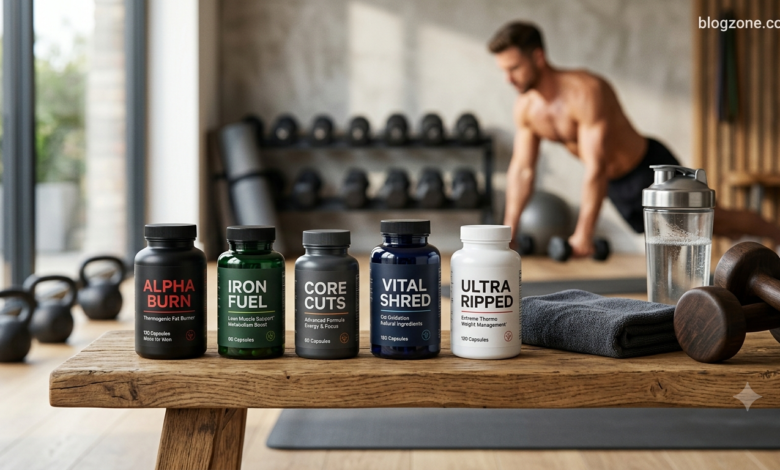
The market for fat-burning supplements is crowded with products promising faster metabolism, effortless fat loss, and dramatic results. For men trying to reduce body fat, however, the most important question is not which supplement has the strongest marketing but which ingredients have credible evidence behind them. The truth is that no supplement can replace a calorie-controlled diet, regular exercise, adequate sleep, and consistent habits. The NIH notes that proven weight-loss strategies still center on healthy eating, reduced calorie intake, and physical activity, while evidence for many weight-loss supplements remains limited.
Some ingredients may provide modest support by increasing energy expenditure, helping control appetite, or making training easier. Caffeine and green tea compounds, for example, have been studied for their potential effects on metabolism and fat oxidation. However, these effects are generally small, and results can vary considerably between individuals. Choosing supplements based on realistic expectations is therefore much more useful than searching for a “magic” fat burner.
What Are Fat Burning Supplements?
Fat burning supplements are products marketed to support weight management through mechanisms such as increased thermogenesis, appetite control, improved energy, or changes in fat metabolism. They may contain stimulants, plant extracts, amino acids, fiber, or combinations of several ingredients.
The problem is that the term “fat burner” can make a product sound more powerful than the scientific evidence actually supports. Many supplements have only been studied in small or short-term trials, while some multi-ingredient products have not been adequately tested at all. The NIH also warns that some weight-loss products have contained undeclared prescription drugs or other potentially harmful substances.
For men, the basic principles are the same as for anyone else: sustainable fat loss comes from maintaining an appropriate calorie deficit while preserving muscle through resistance training and sufficient protein. Supplements can potentially complement that process, but they should not be considered the foundation of a fat-loss program.
1. Caffeine
Caffeine is one of the most practical ingredients to consider when discussing the best fat burning supplements for men. It is a stimulant that can increase alertness and temporarily raise energy expenditure. Research summarized by the NIH shows that caffeine can increase thermogenesis and fat oxidation, although the effect may become smaller with regular use because the body develops tolerance.
Caffeine may also be useful before exercise because increased alertness can make workouts feel more manageable. Coffee, tea, and some pre-workout products provide caffeine, meaning a separate fat-burning supplement may not be necessary. The important issue is total daily intake. Excessive caffeine can cause nervousness, sleep problems, rapid heartbeat, nausea, and other side effects. The NIH notes that caffeine from multiple sources can add up quickly.
2. Green Tea and Green Tea Extract
Green tea contains caffeine and naturally occurring catechins, including EGCG. These compounds have been studied because they may influence energy expenditure and fat oxidation. Some research suggests that green tea preparations can produce a small reduction in body weight, particularly when catechins are combined with caffeine.
However, expectations should remain realistic. NIH sources describe the potential weight-loss effect as modest, and other evidence indicates that green tea is unlikely to produce meaningful weight loss by itself. Drinking brewed green tea is generally considered safer than taking concentrated extracts. Some green tea extracts have been associated with gastrointestinal problems, increased blood pressure, and rare cases of liver injury.
3. L-Carnitine
L-carnitine is involved in transporting fatty acids into mitochondria, where they can be used in energy production. Because of this biological role, it is often marketed as a fat-burning supplement.
The evidence is more modest than advertising sometimes suggests. According to the NIH, carnitine supplements might help produce a small amount of weight loss, but they are not a powerful standalone fat burner. Some people can also experience nausea, vomiting, diarrhea, abdominal cramps, or a fish-like body odor when taking supplemental carnitine.
For men who already consume meat, fish, dairy, and other animal foods, dietary intake of carnitine is already present. This makes it especially important not to assume that adding more automatically means faster fat loss.
4. Green Coffee Bean Extract
Green coffee bean extract comes from unroasted coffee beans and contains naturally occurring compounds as well as caffeine. It has been studied for possible effects on body weight and glucose metabolism.
The NIH describes the evidence as suggesting a possible small effect on weight, but also points out that the available clinical trials have limitations. Because green coffee beans contain caffeine, users should consider their total stimulant intake rather than treating the ingredient as completely separate from coffee or other caffeine-containing products.
This ingredient may therefore be considered an optional supplement rather than a primary strategy. If a person already drinks coffee, adding another caffeine-containing product may provide little additional benefit while increasing the risk of unwanted side effects.
5. Protein Supplements for Fat-Loss Support
Protein powder is not technically a traditional “fat burner,” but it can be one of the more useful supplements for men trying to lose body fat while maintaining muscle. Protein-rich nutrition can make it easier to meet daily protein needs, particularly when calories are restricted.
A protein shake can also be convenient after training or when a high-protein meal is difficult to prepare. The goal is not that protein powder directly melts body fat. Instead, it can support a higher-protein diet that fits into a structured calorie deficit and resistance-training program.
Men cutting body fat should focus on total dietary protein, food quality, calorie intake, and training rather than expecting a protein supplement to independently cause weight loss.
6. Fiber-Based Supplements
Certain soluble fibers can increase fullness and may help some people manage their calorie intake. However, not every fiber supplement has meaningful weight-loss effects.
For example, the NIH reports that glucomannan has little to no effect on weight loss, while excessive or poorly tolerated amounts can cause digestive symptoms such as bloating, diarrhea, constipation, or abdominal discomfort.
Whole foods should generally be the first source of dietary fiber. Vegetables, fruits, legumes, whole grains, and other minimally processed foods provide fiber along with vitamins, minerals, and other nutrients.
Supplements Men Should Be Careful With
A major part of finding the best fat burning supplements for men is knowing which products to avoid. A supplement that promises dramatic fat loss in days or weeks should immediately raise questions.
Yohimbe is one example. Although it is sometimes marketed for weight loss and other male-focused benefits, the NIH states that it does not help with weight loss and may cause serious adverse effects, including high blood pressure, anxiety, rapid heartbeat, heart problems, and other dangerous reactions.
Bitter orange and other stimulant-heavy formulas also deserve caution. The NCCIH notes that many weight-loss supplements have uncertain safety, while some products may contain high amounts of caffeine or other stimulants that can increase heart rate and potentially cause abnormal heart rhythms.
How to Choose a Fat-Burning Supplement
When comparing products, look beyond the front label. Check the full ingredient list, stimulant content, serving size, and whether the manufacturer provides transparent information about what is actually contained in the product.
Avoid formulas that rely on exaggerated claims such as “melt fat instantly,” “lose weight without diet or exercise,” or similar promises. The NIH specifically warns that products making unrealistic claims may be ineffective or potentially dangerous.
It is also important to consider personal health conditions and medications. Weight-loss supplements can interact with prescription or over-the-counter medicines. Anyone with cardiovascular disease, high blood pressure, diabetes, liver disease, or other medical conditions should discuss supplement use with a healthcare professional before starting a product.
Diet and Exercise Still Matter Most
Even the most promising supplement will have a limited impact if overall calorie intake remains too high. A sustainable fat-loss plan generally combines nutritious foods, appropriate portions, regular resistance training, and cardiovascular activity.
For men who want to preserve muscle while losing fat, strength training is particularly valuable. Adequate protein, progressive resistance exercise, sufficient sleep, and a moderate calorie deficit can create a much stronger foundation than relying on stimulant-heavy fat burners.
Supplements can be viewed as optional tools rather than the central strategy. Caffeine may support energy and exercise performance, while certain ingredients such as green tea and carnitine may have modest effects. None should be expected to transform body composition without consistent lifestyle habits.
Final Verdict: What Are the Best Fat Burning Supplements for Men?
The best fat burning supplements for men are not necessarily the products with the longest ingredient lists or the most aggressive advertisements. Caffeine has evidence for temporarily increasing energy expenditure and fat oxidation, while green tea preparations may provide modest weight-related effects. L-carnitine may offer a small benefit for some people, and protein supplements can be useful for maintaining a high-protein diet during fat loss.
Ultimately, supplements should remain secondary to nutrition, physical activity, and sustainable calorie control. Most weight-loss supplements have limited evidence, and some can cause significant side effects or contain undeclared ingredients.
For that reason, the smartest approach is to choose only supplements with a reasonable evidence base, avoid excessive stimulant combinations, read labels carefully, and consult a qualified healthcare professional when medications or medical conditions are involved. Fat loss is usually a long-term process, and consistency matters far more than any single supplement.