Daisy: Meaning, Types, Growing Tips, Benefits, and Care Guide
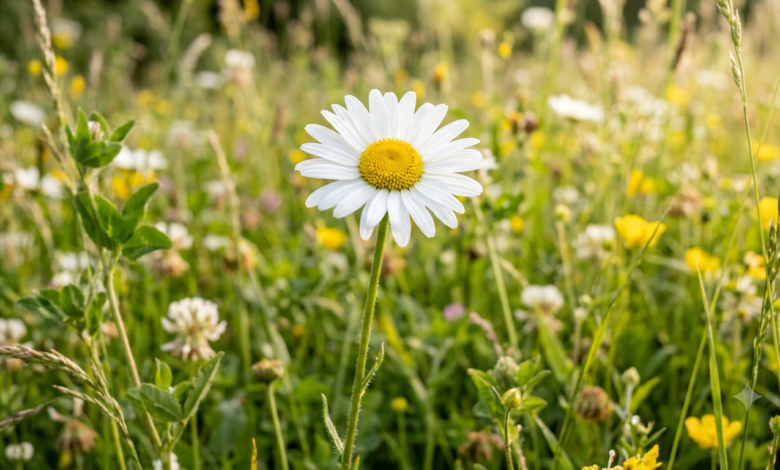
The daisy is one of the most recognizable and beloved flowers in the world. Known for its simple beauty, white petals, and bright yellow center, the daisy represents innocence, purity, happiness, and new beginnings. These charming flowers grow in gardens, meadows, lawns, and wild landscapes, bringing color and freshness to their surroundings. Daisies are also popular choices for bouquets, floral decorations, and home gardens because of their attractive appearance and relatively easy care requirements.
The word daisy refers to several flowering plants, particularly members of the Bellis and Leucanthemum genera within the Asteraceae family. Although the classic daisy has white petals surrounding a yellow center, different varieties produce flowers in pink, red, purple, and other colors. Some daisies grow close to the ground, while others develop tall stems that are suitable for garden borders and cut-flower arrangements. Understanding the different types of daisies, their growing conditions, and their meaning can help gardeners and flower lovers appreciate these beautiful plants.
What Is a Daisy?


7
A daisy is a flowering plant recognized by its central flower head and surrounding petal-like structures. The classic daisy appearance may seem like a single flower, but botanically, the flower head is made up of many tiny individual flowers. The central yellow portion generally contains numerous small disc florets, while the surrounding white structures are ray florets.
Daisies belong to the Asteraceae family, which also includes sunflowers, chrysanthemums, asters, and marigolds. These plants grow in different environments, depending on their species and variety. Some are native to Europe, while others originate from Africa, Asia, or other regions. Today, daisies are cultivated in gardens around the world.
The English daisy, scientifically known as Bellis perennis, is a small perennial plant often found in lawns and grassy areas. The oxeye daisy, Leucanthemum vulgare, produces larger white flowers on taller stems. Other plants commonly called daisies include Gerbera daisies, Shasta daisies, and African daisies. Although they share a similar appearance, their growing requirements, sizes, and flower colors can differ significantly.
Types of Daisy Flowers


10
There are many types of daisies, each offering a different appearance and growing habit. Choosing the right variety depends on your garden space, climate, preferred colors, and the amount of maintenance you can provide.
1. English Daisy: English daisies are small flowering plants with compact growth and delicate petals. They commonly produce white or pink flowers with yellow centers. These plants are often grown in cool-season gardens and can spread through lawns under suitable conditions.
2. Shasta Daisy: Shasta daisies are popular perennials with white petals and golden-yellow centers. They generally grow taller than English daisies and are frequently planted in flower beds, cottage gardens, and borders. Their sturdy stems also make them suitable for fresh flower arrangements.
3. Gerbera Daisy: Gerbera daisies are famous for their large, colorful flowers. They may bloom in red, orange, yellow, pink, white, and other shades. Their bold appearance makes them popular in bouquets, celebrations, and indoor floral displays.
4. African Daisy: African daisies, commonly associated with plants in the Osteospermum genus, produce colorful flowers and often perform well in sunny locations. Many varieties feature purple, white, pink, or orange petals. Their suitability depends on local temperatures and growing conditions.
5. Oxeye Daisy: Oxeye daisies have white petals surrounding yellow centers and grow on relatively tall stems. They can thrive in grasslands, meadows, and open areas. However, they spread readily in some regions and are considered invasive in certain locations, so gardeners should check local guidance before planting them.
Daisy Flower Meaning and Symbolism

Daisies have long been associated with positive emotions and simple beauty. Their fresh appearance and bright centers make them popular symbols of happiness, innocence, purity, and hope. These associations make daisy flowers suitable for birthdays, weddings, anniversaries, and other special occasions.
White daisies are commonly connected with innocence and sincerity. Pink daisies may symbolize affection, admiration, and gentleness, while yellow flowers are often associated with friendship, warmth, and cheerfulness. These meanings are cultural associations rather than fixed botanical facts, so interpretations can vary between people and traditions.
Daisies are also associated with new beginnings. Their appearance in spring and their ability to brighten grassy landscapes make them a fitting choice for celebrating a fresh start, a new relationship, or an important personal milestone. In floral arrangements, daisies can communicate appreciation without appearing overly formal or elaborate.
The daisy is also familiar in literature, art, and popular culture. Its uncomplicated appearance has made it a recurring symbol of natural beauty and carefree happiness. Whether planted in a garden or presented as a bouquet, this flower often conveys a friendly and welcoming message.
How to Grow Daisies at Home
Growing daisies can be rewarding for beginners and experienced gardeners alike. Many varieties are relatively easy to maintain when their basic requirements are met. Before planting, choose a variety that suits your local climate and available growing space.
Choose the right location. Most garden daisies grow best in a sunny location with several hours of direct sunlight daily. Some varieties tolerate partial shade, especially in warmer climates. Adequate sunlight encourages stronger stems and more abundant flowering.
Prepare the soil. Daisies generally prefer well-draining soil. Soil that remains waterlogged can damage roots and encourage fungal problems. Improve heavy soil with suitable organic matter and choose a raised bed or container if drainage is poor.
Plant seeds or young plants. Daisy seeds can be started according to the instructions for the particular variety. Some seeds need light to germinate, while others may require different planting depths or temperatures. Young nursery plants can be transplanted into prepared soil after checking their spacing requirements.
Water carefully. Newly planted daisies need consistent moisture while their roots establish. Once established, many garden varieties tolerate short periods of relatively dry weather, although requirements differ by species. Water near the soil rather than repeatedly wetting the leaves, and avoid keeping the roots saturated.
Provide adequate space. Follow the recommended spacing on the seed packet or plant label. Good air circulation reduces the risk of certain diseases and gives plants enough room to develop.
With appropriate sunlight, soil, and watering, many daisies will establish successfully and produce attractive flowers during their normal blooming season.
Daisy Plant Care and Maintenance

Daisy care depends on the specific variety, but several basic practices can help maintain healthy growth. Regular observation is important because changes in leaf color, flower production, and soil moisture can indicate that a plant needs attention.
Watering: Check soil moisture before watering. Most garden daisies prefer evenly moist but well-drained soil during active growth. Container-grown plants may dry out faster than plants growing in garden beds, especially during hot weather.
Fertilizing: Many daisies grow well in reasonably fertile soil without heavy feeding. If growth is poor, a balanced fertilizer may help when applied according to its label. Excessive fertilizer, particularly nitrogen, can encourage leafy growth at the expense of flowers.
Deadheading: Removing faded flowers is called deadheading. This practice improves the plant’s appearance and may encourage additional blooms in varieties that respond to it. However, leave some flowers if you want seeds to develop or if the plant provides useful resources for wildlife.
Pruning and dividing: Tall perennial daisies may benefit from occasional trimming or division, depending on the species. Division can rejuvenate crowded clumps and create additional plants. The best timing varies with the variety and local climate.
Winter protection: Hardy perennial daisies may survive cold weather outdoors, while tender varieties need protection from frost. Check the hardiness requirements of the particular plant before deciding whether to leave it outside during winter.
Consistent care helps daisies remain attractive and healthy throughout their growing season.
Benefits of Daisy Flowers
Daisies offer several practical and aesthetic benefits, particularly in gardens and landscaped areas. Their greatest advantage is their decorative appeal, but suitable varieties can also support local wildlife.
1. Improve garden appearance: Daisies add brightness and contrast to flower beds, lawns, borders, and containers. Their simple flower shapes complement many other ornamental plants.
2. Attract pollinators: Depending on the species and flower structure, daisies can provide pollen and nectar for bees, butterflies, and other insects. Growing a range of flowering plants with different bloom times can make a garden more useful to pollinators throughout the season.
3. Suit different garden designs: Compact varieties can be grown in pots and small spaces, while taller varieties work well in borders and larger gardens. Colorful Gerbera daisies are also useful for decorative arrangements.
4. Provide cut flowers: Several daisy varieties can be used in fresh bouquets and indoor decorations. Harvesting flowers when they are appropriately developed and placing them in clean water can help maintain their appearance.
5. Offer opportunities for gardening beginners: Many commonly cultivated daisies are straightforward to grow. They can help new gardeners learn about sunlight, soil drainage, watering, pruning, and seasonal flowering.
Although daisies have traditional associations with herbal remedies, not every plant called a daisy is suitable for consumption or medicinal use. Their main established value in ordinary home gardens is ornamental and ecological.
Common Problems When Growing Daisies
Daisies are often resilient, but they can experience problems when growing conditions are unsuitable. Identifying these issues early makes it easier to protect the plants.
One common problem is overwatering. Soil that remains wet for long periods may cause root damage, yellow leaves, and poor growth. Improve drainage and allow the soil to dry to an appropriate level between watering sessions, based on the plant’s needs.
Another issue is insufficient sunlight. Some daisies grown in deep shade develop weak stems and produce fewer flowers. Moving container plants to a brighter position may help, provided the variety can tolerate the available light and temperature.
Pests such as aphids may gather on young shoots and flower buds. Inspect plants regularly and use an appropriate control method if an infestation develops. A strong but gentle stream of water can remove small numbers of aphids from sturdy plants. Avoid unnecessary pesticide use, particularly when flowers are attracting pollinators.
Powdery mildew and other fungal diseases can develop under unfavorable conditions. Improving air circulation, avoiding excessive leaf wetness, and removing severely affected material can reduce problems. If a disease persists, identify the plant and disease accurately before choosing a treatment.
Finally, some daisies spread aggressively through seeds or underground growth. Research a variety before planting it near natural areas, and avoid introducing invasive species into local ecosystems.
Daisy Flowers in Home Decoration and Gifts

Daisies are widely used in home decoration because their appearance feels fresh, relaxed, and natural. A small vase of white daisies can brighten a dining table, desk, bedroom, or kitchen without overwhelming the surrounding space. Colorful Gerbera daisies are particularly effective when a stronger decorative accent is desired.
In bouquets, daisies pair well with roses, baby’s breath, carnations, and other seasonal flowers. White varieties create a classic look, while pink and yellow flowers offer a softer, more playful style. Their versatility makes them suitable for informal gatherings, birthdays, graduations, and weddings.
Daisies can also be used in garden-themed gifts. A potted daisy plant offers a longer-lasting alternative to a cut bouquet when the recipient has suitable growing conditions. Include basic care instructions so the recipient knows how much sunlight and water the plant needs.
For fresh arrangements, remove leaves that would sit below the waterline, use a clean vase, and replace the water regularly. Keep cut flowers away from excessive heat and direct sunlight to help them remain attractive for longer.
Are Daisies Safe for Pets?
Pet safety depends on the exact plant species. The common name “daisy” covers multiple plants, and these plants do not all have the same toxicity profile.
Some plants commonly called daisies, including certain chrysanthemums, can be harmful to cats and dogs if eaten. Other species may cause irritation or digestive upset. It is therefore important not to assume that every daisy is pet-safe simply because it looks familiar.
If you have pets, identify the plant by its botanical name before bringing it into your home or garden. Place potentially harmful plants out of reach and contact a veterinarian or animal poison-control service if your pet eats an unidentified plant and develops symptoms.
For households with pets, choosing plants after checking a reliable veterinary toxic-plant resource is a sensible precaution. The same principle applies to children, who may handle or taste flowers without understanding the risks.
Conclusion
The daisy is a beautiful and versatile flower appreciated for its bright appearance, simple structure, and positive symbolism. From the small English daisy to the colorful Gerbera and the classic Shasta daisy, different varieties offer options for gardens, containers, bouquets, and home decorations. Many are easy to grow when provided with suitable sunlight, well-drained soil, and appropriate watering.
Beyond its decorative value, the daisy can contribute to a wildlife-friendly garden by providing resources for pollinators. Gardeners should still select species carefully, especially where certain daisies are invasive or potentially harmful to pets. With the right variety and basic care, daisies can bring color, charm, and seasonal interest to many outdoor spaces.
Frequently Asked Questions (FAQs)
1. What does a daisy flower symbolize?
A daisy commonly symbolizes innocence, purity, happiness, friendship, and new beginnings. The meaning can vary according to the flower’s color and cultural context.
2. Do daisies need full sunlight?
Many garden daisies grow best with several hours of direct sunlight each day. Some varieties tolerate partial shade, so check the requirements of the specific plant.
3. How often should I water daisies?
Water when the soil moisture and plant conditions indicate that it is needed. Keep newly planted daisies consistently moist while they establish, but avoid waterlogged soil.
4. Are daisies perennial or annual plants?
Both types exist. English and Shasta daisies are commonly grown as perennials, while some other varieties are cultivated as annuals or treated as annuals in climates where they cannot survive winter.
5. Can daisies grow in pots?
Yes. Compact varieties and Gerbera daisies can grow in containers when the pots have drainage holes and provide enough room for root development.
6. What colors do daisies come in?
Depending on the species, daisies may have white, yellow, pink, red, orange, or purple flowers.
7. Do daisies attract bees and butterflies?
Many daisy varieties can attract pollinators by providing pollen and nectar. The benefit depends on the species, flower structure, and local growing conditions.
8. Are daisies safe for cats and dogs?
Not all plants called daisies are safe for pets. Identify the exact species and consult a reliable veterinary toxic-plant resource before growing it around animals.