Money Tree: Meaning, Care Guide, Benefits, and Growing Tips
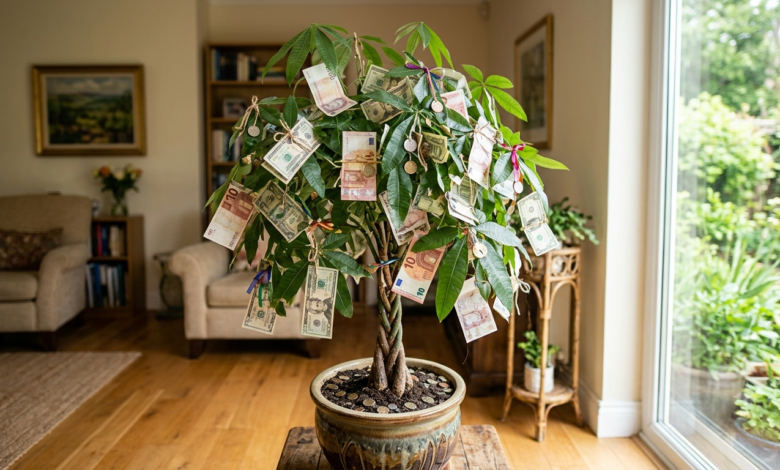
The money tree is a popular indoor plant known for its attractive green leaves, distinctive braided trunk, and association with good luck, prosperity, and positive energy. Its elegant appearance makes it a favorite choice for homes, offices, reception areas, and other indoor spaces. Many people choose a money tree not only for its decorative value but also because it is believed to symbolize financial success and good fortune.
The money tree commonly refers to Pachira aquatica, a tropical plant native to Central and South America. It grows naturally in warm, humid environments and can develop into a large tree when planted outdoors in suitable conditions. Indoors, it usually remains much smaller and can thrive for years with proper care. Although it is often promoted as a symbol of wealth, its actual value comes from its beauty, adaptability, and relatively manageable maintenance requirements. Understanding the plant’s watering needs, lighting preferences, soil requirements, and common problems can help beginners keep their money tree healthy.
What Is a Money Tree?
A money tree is a tropical evergreen plant belonging to the mallow family, Malvaceae. Its scientific name, Pachira aquatica, identifies the species most commonly sold as a houseplant under this name. The plant features glossy, green leaves divided into several leaflets that spread outward from a central point, creating a fresh and balanced appearance.
In its natural habitat, the money tree can grow into a large tree and may produce showy flowers and seed-containing fruits under suitable conditions. However, indoor plants are generally grown for their foliage and attractive trunks rather than their flowers. Nurseries frequently braid the trunks of several young plants together to create the decorative form widely recognized in homes and workplaces. This braided appearance is a horticultural technique rather than a naturally occurring feature of the species.
The money tree is especially popular among people who want a houseplant that looks impressive without requiring constant attention. While it is reasonably forgiving, it still needs appropriate light, careful watering, and suitable temperatures to grow successfully.
Meaning and Symbolism of the Money Tree
The money tree is strongly associated with prosperity, abundance, good fortune, and financial growth. Its popularity in feng shui, a traditional Chinese practice concerned with the arrangement of spaces, comes from these symbolic associations. Some people believe that placing the plant in a suitable area of the home or workplace can encourage positive energy and support financial success.
The plant’s five-leaflet pattern is sometimes interpreted as representing the five elements of feng shui: wood, fire, earth, metal, and water. Interpretations vary, and this symbolism should be understood as a cultural belief rather than a scientifically established effect. The braided trunk is also commonly associated with bringing luck together or preserving prosperity.
Money trees are frequently given as gifts for housewarmings, business openings, birthdays, and professional milestones. Their symbolism makes them meaningful gifts for people starting new jobs, launching businesses, or moving into new homes.
However, a money tree does not directly attract money or guarantee success. Its significance is primarily cultural and personal. Many people appreciate it as a reminder of growth, patience, and the importance of caring for something over time.
Best Light Conditions for a Money Tree
Proper lighting is one of the most important factors in keeping a money tree healthy. The plant generally prefers bright, indirect sunlight. A location near a window that receives filtered daylight is often ideal because it provides enough energy for growth without exposing the leaves to excessive direct sunlight.
Strong afternoon sunlight can scorch the foliage, causing brown patches, faded areas, or dry edges. On the other hand, placing the plant in a very dark corner may slow its growth and lead to smaller leaves or long, weak stems. If the room does not receive much natural light, a suitable grow light can help maintain healthy development.
Rotate the pot occasionally so that different sides receive similar amounts of light. This helps prevent the plant from leaning heavily toward one window.
If you move a money tree from a dim room to a brighter location, make the change gradually. Sudden exposure to intense sunlight can stress the leaves. Consistent lighting conditions usually produce better results than frequently moving the plant between different environments.
How to Water a Money Tree Properly
Watering is one of the most common challenges for money tree owners. Although the plant grows naturally in tropical environments, this does not mean that a potted money tree should remain constantly wet. Excessive moisture around the roots can reduce oxygen availability and cause root rot.
A practical approach is to check the soil before watering. Allow the top portion of the soil to dry between waterings, then water thoroughly until excess water drains through the bottom of the pot. Empty any collected water from the saucer rather than allowing the plant to sit in it.
The watering schedule depends on several factors, including temperature, humidity, pot size, soil composition, and the amount of light the plant receives. A money tree in a warm, bright room may need water more frequently than one in a cool room with lower light levels.
Watch for signs of watering problems. Yellowing leaves and persistently wet soil can indicate overwatering, while drooping leaves and very dry soil may suggest that the plant needs water. However, leaf symptoms can have multiple causes, so always check the soil and growing conditions before making changes.
5. Best Soil and Pot for a Money Tree
A money tree grows best in a well-draining potting mix that retains some moisture without becoming waterlogged. A quality indoor plant mix amended with perlite or another suitable aerating material can improve drainage and help protect the roots from excessive moisture.
The container is equally important. Choose a pot with drainage holes so that extra water can escape. Decorative containers without drainage may look attractive, but they can create problems if water collects around the roots.
Avoid selecting a pot that is much larger than the plant’s root system. An oversized container can hold excess moisture for longer than necessary, increasing the risk of root problems. When repotting, choose a container only modestly larger than the current one.
Money trees do not usually require frequent repotting. Repotting may be appropriate when roots emerge from drainage holes, the soil dries unusually quickly, or growth becomes restricted by the container. Spring is often a convenient time to repot because the plant can resume active growth afterward.
Temperature and Humidity Requirements
As a tropical plant, the money tree prefers warm conditions and moderate to high humidity. Typical comfortable indoor temperatures are generally suitable, provided the plant is protected from cold drafts and sudden temperature changes.
Avoid placing the plant directly beside air-conditioning vents, heaters, or frequently opened exterior doors. Cold drafts can stress the foliage, while hot, dry air may contribute to browning leaf edges.
In dry indoor environments, humidity can sometimes be improved by grouping plants together or using a humidifier. Good air circulation remains important, especially when humidity is high, because stagnant conditions may encourage certain plant diseases.
Misting the leaves is not usually necessary and provides only a temporary increase in local humidity. Maintaining stable room conditions is generally more effective than repeatedly spraying the foliage.
If the plant is kept outdoors during warm weather, protect it from strong direct sunlight and bring it inside before temperatures become too cold. Gradually adjusting the plant to outdoor conditions can reduce stress.
Common Money Tree Problems and Their Solutions
Even a relatively easy-care houseplant can develop problems when its growing conditions are unsuitable. Recognizing symptoms early makes it easier to identify the likely cause and take corrective action.
Yellow leaves: Yellowing can result from overwatering, inadequate light, nutrient issues, or normal aging. Check the soil moisture and drainage before changing the watering schedule.
Brown leaf tips: Dry air, irregular watering, fertilizer buildup, or water quality may contribute to brown tips. Review the plant’s environment and avoid applying excessive fertilizer.
Drooping leaves: A money tree may droop because the soil is too dry, the roots are waterlogged, or environmental conditions have changed suddenly. Check the soil before adding more water.
Leaf drop: Sudden changes in light, temperature, watering, or location can cause leaves to fall. Maintain consistent conditions and avoid making several major changes at once.
Pests: Spider mites, mealybugs, and scale insects can occasionally affect indoor money trees. Inspect the undersides of leaves and the stems. If pests appear, isolate the plant from nearby houseplants and treat it with an appropriate product according to its label.
Root rot: Roots affected by rot may become dark, soft, or unpleasant-smelling. If the problem is severe, remove the plant from its pot, trim away damaged roots with clean tools, and repot it in fresh, well-draining soil.
Benefits of Keeping a Money Tree at Home
The money tree offers several practical and aesthetic benefits. Its glossy foliage brings a natural element into indoor spaces, while its upright growth and braided trunk can complement modern, traditional, and minimalist interior designs.
Houseplants can also make rooms feel more inviting and create opportunities for relaxing activities such as watering, pruning, and observing new growth. Caring for plants may provide a satisfying routine, although individual experiences vary.
Another advantage is that money trees can grow for many years when their basic needs are met. They can gradually develop fuller foliage and become attractive focal points in living rooms, offices, and reception areas.
Money trees are also popular gifts because of their symbolism. Giving one to a friend, family member, or business owner can communicate wishes for prosperity and new beginnings.
It is important, however, to distinguish these practical benefits from exaggerated claims. A money tree does not guarantee wealth, and a single houseplant should not be considered a replacement for proper indoor ventilation or other measures that maintain healthy indoor air.
How to Propagate a Money Tree
Money trees can be propagated from stem cuttings, although success depends on the condition of the cutting and the growing environment. Propagation allows plant owners to grow additional plants without purchasing a new mature specimen.
To begin, select a healthy stem with several leaves and nodes. Using clean, sharp scissors or pruning shears, take a cutting from a healthy section of the plant. Remove leaves from the lower portion of the stem so that they do not sit in the rooting medium.
The cutting can be placed in water or in a suitable, lightly moist propagation medium. If using water, keep the submerged portion of the stem free of leaves and change the water regularly. If using a rooting medium, maintain light moisture without allowing it to become saturated.
Place the cutting in a warm location with bright, indirect light. Root development takes time, and not every cutting will succeed. Once a cutting has developed a suitable root system, it can be transferred to a small pot containing well-draining soil if it was rooted in water.
Seed propagation is another possibility, but it is less practical for many indoor gardeners. Purchased braided money trees are usually maintained for their ornamental appearance rather than grown from seed at home.
Where to Place a Money Tree in Your Home
The best location for a money tree combines suitable lighting, stable temperatures, and enough space for the plant to grow. A bright living room, home office, or area near a window with filtered sunlight can work well.
In feng shui traditions, people often place money trees near the entrance of a home, in an office, or in an area associated with wealth and abundance. These placements reflect cultural interpretations rather than proven methods for increasing income.
Before choosing a location, consider the plant’s actual growing requirements. Avoid dark hallways, cold windowsills, and spots where water may damage furniture or flooring. Keep the pot on a stable surface and use a saucer to catch drainage water.
If you have pets or young children, choose a location that prevents the pot from being knocked over or the plant from being chewed. Although Pachira aquatica is generally regarded as non-toxic to cats and dogs, eating plant material can still cause digestive upset, and individual products or plants may vary.
Frequently Asked Questions About Money Trees
Is a money tree easy to care for?
Yes. A money tree is generally considered a manageable houseplant for beginners. It needs bright, indirect light, moderate watering, well-draining soil, and protection from cold drafts. Avoiding overwatering is particularly important.
How often should I water a money tree?
There is no single schedule that works for every plant. Check the soil regularly and water when the upper portion has dried sufficiently. Water thoroughly, then allow excess water to drain away.
Does a money tree really bring good luck?
The money tree is traditionally associated with luck, prosperity, and abundance. These are cultural and symbolic beliefs, not scientifically proven effects. Many people still enjoy keeping the plant as a positive reminder of growth and new opportunities.
Can a money tree grow indoors?
Yes. Pachira aquatica can grow successfully indoors when provided with suitable light, appropriate watering, and warm temperatures. Indoor plants generally remain smaller than trees growing outdoors in tropical climates.
Why are the leaves on my money tree turning yellow?
Yellow leaves may indicate overwatering, poor drainage, insufficient light, or other environmental problems. Check the soil and roots, assess the light level, and adjust care gradually rather than assuming that every yellow leaf has the same cause.
Is a money tree suitable for an office?
Yes. Its attractive foliage and upright shape make it suitable for many offices and reception areas. Choose a spot with adequate indirect light and avoid placing it directly beside heating or cooling vents.
Conclusion
The money tree is an attractive tropical houseplant valued for its glossy leaves, distinctive trunk, and association with prosperity and good fortune. Its manageable care requirements make it a popular choice for beginners and experienced plant enthusiasts alike. With bright, indirect light, well-draining soil, careful watering, and stable temperatures, a money tree can remain healthy and decorative for many years.
Although its connection with financial success is symbolic rather than scientifically established, the plant can still serve as a meaningful gift and a beautiful addition to a home or workplace. By understanding its growing requirements and recognizing common problems early, you can enjoy the beauty of a money tree while giving it the conditions it needs to thrive.