In-Camp Training: Meaning, Benefits, Types, and How It Works
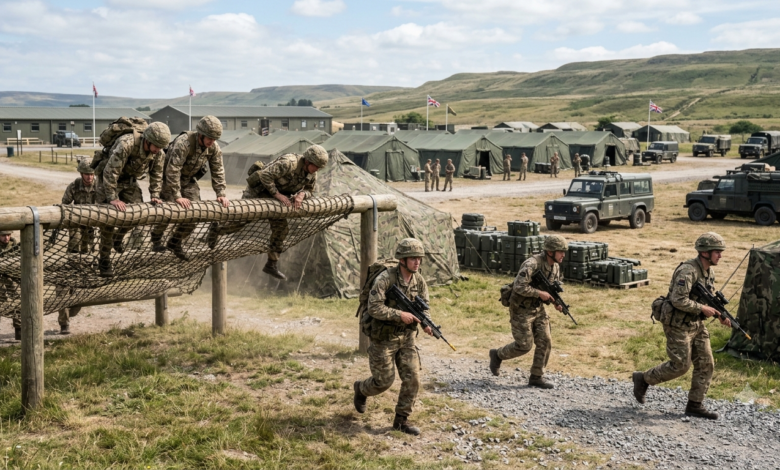
In-camp training is a structured training program conducted within a designated camp, training facility, or residential setting. It is commonly associated with military preparation, sports development, leadership programs, youth activities, and professional skill-building. The main purpose is to help participants improve their abilities through organized lessons, practical exercises, teamwork, and regular assessments. Unlike ordinary classroom instruction, in-camp training often combines theory with hands-on activities in a controlled environment.
The exact meaning of in-camp training depends on the organization using the term. In the military, it may involve tactical preparation, physical fitness, discipline, and operational readiness. In sports, it can refer to an intensive training camp where athletes improve performance before a competition. In professional and educational settings, it may include workshops, group projects, and practical instruction. Understanding how in-camp training works can help individuals and organizations determine whether this approach suits their goals.
What Is In-Camp Training?
In-camp training is a planned learning experience in which participants receive instruction and practice within a specific training location. The program usually follows a timetable, with defined objectives, qualified instructors, and activities designed to develop particular skills. Depending on the purpose, participants may attend for a few days, several weeks, or a longer period.
A typical program may include physical exercises, classroom sessions, demonstrations, group activities, individual practice, and performance evaluations. Participants often follow a daily schedule that establishes clear expectations and encourages consistency. In residential programs, accommodation and meals may also be provided, allowing participants to concentrate on training without the distractions of their usual environment.
Main Objectives of In-Camp Training
The primary objective of in-camp training is to improve performance through focused and organized instruction. Programs generally begin by identifying the skills participants need to develop. Trainers then create activities that address those requirements and measure progress throughout the training period.
Another important objective is teamwork. Many training environments require participants to cooperate, communicate clearly, solve problems, and support one another. These experiences can help individuals understand their responsibilities and work more effectively within a group.
Discipline and confidence are also common goals. Following a schedule, completing assignments, responding to feedback, and overcoming manageable challenges can help participants develop better habits. However, the objectives and expected outcomes should always be appropriate to the participants’ age, experience, physical condition, and training environment.
Types of In-Camp Training
1. Military In-Camp Training
Military in-camp training focuses on readiness, discipline, physical conditioning, and role-specific skills. Depending on the country and military organization, it may include equipment familiarization, safety procedures, communication, teamwork, leadership development, and simulated exercises.
The structure varies considerably. Some programs are intended for new personnel, while others provide refresher training for reservists or experienced service members. The schedule and content depend on the individual’s role, applicable regulations, and the objectives established by the relevant military authority.
2. Sports In-Camp Training
Sports camps allow athletes to concentrate on improving performance over a defined period. Activities may include strength and conditioning, technical practice, tactical instruction, recovery sessions, and friendly competitions. Coaches can observe athletes closely and provide feedback that may be difficult to deliver during regular team practices.
Sports in-camp training can also develop communication and team coordination. Athletes learn how to work together, respond to changing situations, and maintain focus under pressure. Proper rest, hydration, nutrition, and injury prevention are essential parts of an effective program.
3. Educational and Youth In-Camp Training
Educational camps provide opportunities to develop academic, personal, and social skills outside a traditional classroom. Programs may focus on science, technology, communication, leadership, environmental awareness, or creative activities.
Youth camps can encourage independence, responsibility, and cooperation. Participants may work on projects, solve challenges, take part in group discussions, and learn practical skills. A safe and supportive environment is especially important when training involves children or teenagers.
4. Corporate and Professional In-Camp Training
Organizations sometimes arrange residential training programs for employees, managers, and new team members. These programs may cover leadership, communication, project management, customer service, workplace safety, or technical knowledge.
By bringing employees together in a dedicated setting, organizations can create opportunities for focused learning and collaboration. Practical exercises, role-playing, presentations, and group projects can help participants apply new knowledge to workplace situations.
Key Benefits of In-Camp Training
One major benefit of in-camp training is concentration. Participants spend a defined period working toward specific objectives, which may reduce interruptions and make it easier to maintain a consistent routine. This concentrated approach can be particularly useful when a skill requires repeated practice and immediate feedback.
Another advantage is access to instructors. Trainers can identify mistakes, demonstrate correct techniques, and adjust exercises to suit individual needs. Regular observation helps participants understand their strengths and areas for improvement.
In-camp training can also improve teamwork and communication. Shared activities create opportunities to develop trust, coordinate responsibilities, and resolve problems together. Participants may build professional relationships or friendships that continue after the program ends.
Finally, a structured program makes progress easier to evaluate. Assessments, practical demonstrations, attendance records, and feedback sessions can help instructors determine whether participants are meeting the intended learning objectives.
How Does In-Camp Training Work?
Although programs differ, most follow a similar sequence.
First, organizers identify the purpose of the training and assess participants’ existing abilities. This initial assessment helps determine which skills require attention and whether any special accommodations are necessary.
Second, instructors create a schedule containing lessons, practical exercises, rest periods, and assessments. Participants receive information about the rules, objectives, equipment, and safety requirements before activities begin.
Third, training takes place through a combination of instruction and practice. Participants learn a technique, apply it in a controlled activity, receive feedback, and repeat the process to improve performance. Instructors may adjust the difficulty as participants progress.
Finally, organizers evaluate the results. They may compare initial and final assessments, review individual performance, collect participant feedback, and recommend additional practice. Follow-up activities are useful because skills often improve further when participants continue applying them after the camp ends.
How to Prepare for In-Camp Training
Preparation starts with understanding the program requirements. Participants should review the schedule, location, duration, equipment list, clothing guidelines, and any medical or administrative documents requested by the organizers.
Physical preparation may be necessary for demanding programs, especially those involving exercise or outdoor activities. A gradual routine based on the participant’s current fitness level is generally more appropriate than suddenly increasing exercise intensity. Anyone with health concerns should seek suitable professional advice before beginning strenuous activities.
Mental preparation is equally important. Participants should arrive ready to learn, accept constructive feedback, follow instructions, and cooperate with others. Bringing suitable supplies, getting adequate sleep, staying hydrated, and arriving on time can also make the experience more productive.
Common Challenges of In-Camp Training
In-camp training can be demanding because participants may follow an unfamiliar schedule, spend long periods practicing, or work closely with people they have just met. Fatigue, homesickness, performance anxiety, and communication difficulties may affect some individuals, particularly during residential programs.
These challenges can be managed through realistic scheduling, clear instructions, appropriate rest, supportive supervision, and open communication. Training should challenge participants without exposing them to unnecessary risks. Organizers should also provide accessible procedures for reporting injuries, harassment, unsafe conditions, or other concerns.
Another challenge is transferring newly learned skills into everyday situations. A participant may perform well during a supervised exercise but struggle to apply the same skill at school, work, or competition. Follow-up practice, mentoring, and periodic assessments can help address this problem.
How to Measure the Success of In-Camp Training
The success of a program should be measured against its original objectives rather than attendance alone. Organizers can use practical tests, written assessments, demonstrations, participant feedback, and instructor observations to evaluate progress.
For sports training, relevant measures may include technique, fitness, consistency, and teamwork. In professional programs, results may involve improved task performance, communication, or workplace safety. Military training uses standards established by the relevant service and applicable regulations.
A useful evaluation process identifies what improved, what remains difficult, and what participants should practice next. Clear measures also help organizations determine whether the program provides sufficient value for the time and resources invested.
Conclusion
In-camp training is a structured approach to learning that brings participants together in a dedicated environment to develop skills, improve performance, and work toward specific goals. It can be used in military organizations, sports, education, youth development, and professional training. Its effectiveness depends on suitable instruction, realistic objectives, consistent practice, appropriate supervision, and meaningful evaluation.
For participants, preparation and a willingness to learn can make the experience more rewarding. For organizers, safety, clear communication, and follow-up support are essential. When these elements are combined, in-camp training can provide a valuable foundation for continued improvement and long-term development.
Frequently Asked Questions (FAQs)
1. What does in-camp training mean?
In-camp training refers to an organized training program conducted at a designated camp or training facility. It may focus on military readiness, sports, education, leadership, or professional development.
2. How long does in-camp training last?
The duration depends on the program. Some camps last a few days, while others continue for several weeks or longer.
3. What are the main benefits of in-camp training?
Common benefits include focused learning, practical experience, instructor feedback, improved teamwork, greater discipline, and measurable skill development.
4. Is in-camp training only for the military?
No. The term is also used in sports, education, youth development, leadership programs, and corporate training. Its exact meaning depends on the organization and context.
5. How can participants prepare for in-camp training?
Participants should review program instructions, prepare the required clothing and equipment, maintain suitable rest and hydration, and understand the schedule and safety rules.
6. Is in-camp training effective?
It can be effective when the program has clear objectives, qualified instructors, appropriate practice, safety measures, and reliable methods of evaluating progress. Results depend on the quality of the program and the participant’s continued effort.