Trump Iran Talks: Latest Developments, Key Issues, and What Happens Next
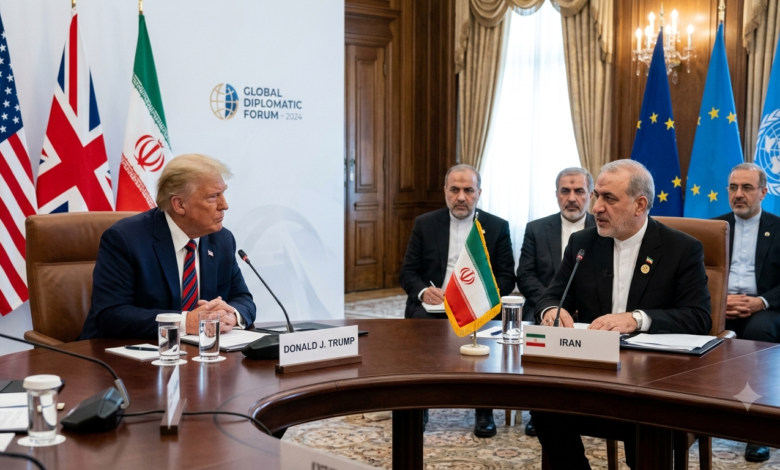
The keyword Trump Iran talks has become an important topic in international news as the United States and Iran continue exploring diplomatic options to end their conflict. President Donald Trump has indicated that discussions with Tehran could lead to a settlement, but major disagreements remain over nuclear activities, economic sanctions, maritime security, and military pressure. Recent reports indicate that messages are still being exchanged through mediators, including Pakistan and Qatar, even as Iran questions whether Washington’s proposals adequately address its demands.
The situation matters far beyond Washington and Tehran. Developments in negotiations can affect oil prices, international shipping, regional security, and the economic outlook for countries that depend on energy imports. Although diplomatic communication offers a possible route toward reducing tensions, it does not necessarily mean that a comprehensive peace agreement is close. Both governments must still overcome significant differences before negotiations can produce a lasting settlement.
This article examines the latest developments in Trump Iran talks, the major issues dividing both countries, the role of international mediators, and the potential consequences for the Middle East and the global economy.
Latest Updates on Trump Iran Talks
As of October 13, 2026, diplomatic communication between the United States and Iran remains active, but the negotiations face substantial obstacles. Iran’s Foreign Ministry spokesperson said on October 12 that Tehran was reviewing American proposals for negotiations and that messages continued to pass through mediators. Pakistan and Qatar have been involved in facilitating communication between the two sides.
The latest developments follow several rounds of diplomatic activity aimed at ending the conflict and addressing disagreements over the Strait of Hormuz. On October 8, Trump said the United States and Iran were having productive talks and indicated that Washington would not attack Iran before the November midterm elections. However, this statement did not establish that the two governments had agreed on a final peace deal.
Iran has also expressed dissatisfaction with the American response to its proposals concerning the reopening of the Strait of Hormuz. According to a Reuters report published on October 11, an Iranian official described the response as insufficient. The disagreement highlights how difficult it may be to convert diplomatic messages into a practical agreement.
For now, the most important distinction is between ongoing communication and confirmed progress. Both sides may be willing to continue discussions, but their public positions show that significant compromises are still required.
Why Trump and Iran Are Holding Talks
The main reason for renewed diplomacy is the need to prevent further escalation and establish a framework for ending the conflict. Military confrontation has created serious security concerns throughout the Middle East, while disruptions to energy transportation have increased uncertainty in international markets.
For the Trump administration, negotiations are closely connected to its stated objective of preventing Iran from developing a nuclear weapon and addressing security concerns involving Tehran. Washington wants an agreement that places meaningful limits on Iran’s nuclear capabilities and provides assurances that restrictions will be followed.
Iran, meanwhile, has emphasized the importance of ending military pressure, addressing economic restrictions, and protecting its national interests. Tehran has argued that a sustainable agreement must take its security concerns and economic demands into account rather than focus exclusively on American conditions.
These competing priorities make the negotiations complicated. The United States wants verifiable security commitments, while Iran wants concrete changes to the pressure it faces. Both governments must decide whether a negotiated settlement offers greater benefits than continuing the confrontation.
Diplomacy can provide a way to resolve these disputes without further fighting, but successful negotiations depend on specific commitments, credible monitoring, and a willingness to compromise.
Iran’s Nuclear Programme Is a Major Obstacle
The nuclear issue remains one of the most important challenges in Trump Iran talks. The United States wants Iran to accept restrictions that would make developing a nuclear weapon more difficult and allow international inspectors to verify compliance. Iran maintains that its nuclear activities are intended for peaceful purposes, including civilian energy and scientific research.
The disagreement involves uranium enrichment, the amount of enriched material Iran retains, and the level of access granted to international inspectors. Uranium enriched to higher concentrations can create greater proliferation concerns because it requires less additional processing to reach weapons-grade levels. Before the 2026 conflict, international monitoring reports had raised concerns about Iran’s stockpile and enrichment activities. Damage to nuclear facilities and uncertainty about the location and condition of some materials have made independent verification particularly important.
Washington’s negotiating position has also been discussed publicly. In an October 7 report, Al Jazeera noted that Vice President JD Vance had called for a meaningful reduction in Iran’s uranium-enrichment capacity. The discussion suggested that the details of an eventual agreement could be central to determining whether the two countries can find common ground.
A possible agreement would need to address enrichment limits, the handling of existing nuclear material, inspections, and the consequences of non-compliance. Iran would also need to decide what restrictions it could accept without abandoning its own stated position on peaceful nuclear technology.
Without an agreed verification system, even a political announcement might fail to reassure the international community. This makes technical negotiations as important as statements made by political leaders.
The Strait of Hormuz and Global Oil Supplies
The Strait of Hormuz is another central issue in Trump Iran talks because it is one of the world’s most strategically important maritime routes. Oil and liquefied natural gas shipments moving through the Persian Gulf rely heavily on safe passage through this narrow waterway.
Any disruption can increase shipping costs, complicate energy deliveries, and create uncertainty for oil-importing countries. Governments and businesses closely monitor developments because higher energy prices can affect transportation, electricity generation, manufacturing, and household budgets.
Iran has linked proposals concerning the reopening of the strait to broader demands involving the American naval blockade and economic restrictions. The United States, meanwhile, has emphasized the importance of keeping the waterway open to international shipping. The two sides therefore disagree not only about access but also about the security arrangements and political conditions that should govern maritime traffic.
For a lasting settlement, negotiators would need to establish reliable arrangements for commercial vessels, clarify responsibilities for maritime security, and reduce the risk of further incidents. International shipping companies would also need confidence that agreements would be implemented consistently.
The consequences extend well beyond the countries directly involved. Energy-importing economies in Asia, including Pakistan and India, are particularly attentive to changes in oil prices and the reliability of regional supply routes. Stable shipping conditions could ease some economic pressure, while renewed disruption could have the opposite effect.
The Role of Pakistan and Qatar in Negotiations
Regional mediators are important because direct negotiations between Washington and Tehran remain politically sensitive. Pakistan and Qatar have been involved in passing messages and supporting diplomatic efforts intended to bring the two governments closer to an agreement.
According to Iran’s Foreign Ministry statement reported on October 12, communication through mediators was continuing while Tehran reviewed American proposals. This suggests that diplomatic channels remain available even though a breakthrough has not been publicly confirmed.
Qatar has played a role in facilitating communication between the United States and Iran, while Pakistan’s participation offers another channel for diplomatic engagement. Mediators can help clarify proposals, communicate objections, and explore possible compromises without requiring every disagreement to be debated publicly.
However, mediation alone cannot guarantee success. Any final agreement must be acceptable to the governments involved, and the parties must have confidence that commitments will be implemented. Mediators may help narrow differences, but they cannot independently resolve fundamental disagreements over nuclear policy, sanctions, or maritime security.
Other international actors may also influence the process. Russia has maintained an interest in Iran’s nuclear diplomacy, while European and Asian governments have strong reasons to support regional stability and uninterrupted trade.
The success of these diplomatic efforts will depend on whether communication produces concrete proposals, agreed timelines, and verifiable steps toward de-escalation.
Economic Sanctions and Iran’s Demands
Economic sanctions are another major obstacle in Trump Iran talks. Restrictions on Iranian oil exports, financial transactions, and international commercial relationships have placed pressure on Iran’s economy. Washington has used sanctions as a tool to influence Iranian policy, while Tehran has demanded relief from economic restrictions as part of a broader settlement.
Iran has also sought changes to the American naval blockade affecting its economic activity. Reports on the negotiations indicate that Tehran wants the blockade addressed before accepting a wider arrangement to end the conflict. The United States, however, has continued to press for concessions on security and nuclear issues.
A possible compromise could involve sanctions relief in stages, linked to measurable steps taken by Iran. Under such an arrangement, certain restrictions might be eased after verified compliance with agreed conditions. This could give Washington a mechanism for monitoring progress while providing Tehran with tangible economic benefits.
Nevertheless, sanctions relief would raise difficult questions. The parties would have to determine which restrictions could be lifted, how quickly changes would take effect, and what would happen if either side accused the other of violating the agreement.
Businesses and financial institutions would also need clear guidance before resuming commercial relationships with Iran. Uncertainty over the durability of an agreement could discourage investment even if some sanctions were relaxed.
Ultimately, economic negotiations will be closely connected to security negotiations. A deal that addresses only one side’s demands is unlikely to provide the stable foundation required for a lasting settlement.
Trump’s Strategy: Negotiation Alongside Pressure
President Trump’s approach combines public statements about diplomacy with continued pressure on Iran. He has presented negotiations as an opportunity to secure American objectives, particularly regarding Iran’s nuclear programme and regional security. At the same time, the administration has maintained pressure through military readiness and economic measures.
On October 8, Trump described the talks as productive and said the United States would not attack Iran before the November midterm elections. However, the announcement did not mean that the broader conflict had been resolved or that both sides had accepted the same terms.
This strategy creates both opportunities and risks. Supporters of pressure-based diplomacy argue that sanctions and military deterrence can encourage Tehran to consider concessions. Critics warn that threats and military deployments can undermine trust, increase the possibility of miscalculation, and make compromise politically difficult.
Iran also faces domestic political considerations. Its leaders must demonstrate that negotiations protect the country’s interests and do not amount to surrendering under external pressure. American officials, meanwhile, must show that any agreement delivers measurable security benefits.
Another challenge is credibility. If either side believes the other may abandon an agreement after receiving concessions, negotiations become much harder. A sustainable deal therefore requires more than a temporary pause in hostilities; it needs clear obligations and mechanisms for addressing disputes.
The balance between pressure and diplomacy will remain a defining feature of Trump’s Iran policy. Whether it produces a settlement depends on the specific terms the two governments are prepared to accept.
What Trump Iran Talks Mean for the Middle East
The outcome of Trump Iran talks could influence security across the Middle East. The conflict has implications for maritime trade, regional alliances, military deployments, and the activities of armed groups operating in the region.
A negotiated settlement could reduce the risk of further military escalation and create opportunities for wider diplomatic engagement. Governments across the region have strong incentives to prevent the conflict from spreading, particularly when attacks on transport infrastructure and energy facilities threaten economic stability.
However, unresolved disputes could leave the region vulnerable to renewed confrontation. Disagreements over the Strait of Hormuz, sanctions, and Iran’s nuclear programme may continue to affect relations even if the immediate fighting remains limited.
The situation also involves other regional security concerns, including the activities of Iran-aligned groups and the relationship between Iran, Israel, and Gulf states. Any comprehensive agreement would need to consider how these issues might affect compliance and the durability of a settlement.
International powers have an interest in preventing further disruption to global energy markets and commercial shipping. European countries, China, Russia, and regional governments may therefore continue to support diplomatic efforts, although their priorities and preferred solutions differ.
For ordinary people, the potential benefits of de-escalation include improved economic confidence, reduced security risks, and more predictable energy prices. Those benefits, however, would depend on actual improvements in security and trade rather than diplomatic announcements alone.
What Happens Next in Trump Iran Talks?
The next stage will depend on whether Iran accepts the framework being discussed, whether Washington modifies any of its demands, and whether mediators can help both sides resolve their disagreements.
Three broad scenarios are possible.
- A diplomatic breakthrough: Both governments agree on a framework addressing nuclear restrictions, sanctions, maritime security, and steps to reduce hostilities. This could create the foundation for a more comprehensive agreement.
- Extended negotiations: Communication continues, but disagreements prevent an immediate settlement. Mediators could work on individual issues while the wider conflict remains unresolved.
- Renewed escalation: Negotiations break down, and military or economic pressure increases. Such a development could threaten regional security and create further volatility in energy markets.
These are possible outcomes, not confirmed predictions. As of October 13, 2026, reports indicate that diplomatic messages continue to pass through mediators, but important differences remain over the conditions for negotiations and the reopening of the Strait of Hormuz.
The most useful indicators to watch are official announcements from both governments, concrete progress on nuclear monitoring, changes to maritime restrictions, and any verified agreement on sanctions relief. Statements describing talks as productive should be assessed alongside actual policy decisions.
Frequently Asked Questions (FAQs)
1. What are Trump Iran talks about?
Trump Iran talks concern diplomatic efforts between the United States and Iran to address the conflict, Iran’s nuclear programme, economic sanctions, maritime security, and conditions for a possible settlement.
2. Are Trump and Iran currently negotiating?
As of October 13, 2026, Iran has said that messages are continuing through mediators and that it is reviewing American proposals. However, a comprehensive settlement has not been confirmed.
3. What is the biggest obstacle to an agreement?
The main obstacles include disagreements over Iran’s nuclear activities, American sanctions and naval restrictions, the reopening of the Strait of Hormuz, and the security guarantees required by both governments.
4. Why is the Strait of Hormuz important?
The strait is a critical route for international oil and gas shipments. Disruptions can affect global energy supplies, shipping costs, inflation, and the economies of energy-importing countries.
5. How could the negotiations affect oil prices?
Progress toward a credible settlement could reduce concerns about supply disruptions, while a breakdown in negotiations could increase market uncertainty. Actual price movements would also depend on production levels, demand, inventories, and other global developments.
6. Will Trump Iran talks lead to peace?
A settlement remains possible, but it cannot be guaranteed. Success will depend on whether both governments accept workable terms, establish mechanisms for verification, and follow through on their commitments.
Conclusion
Trump Iran talks remain a significant diplomatic issue in October 2026, with consequences for regional security, nuclear non-proliferation, international shipping, and the global economy. The latest reports show that communication through mediators continues, but the United States and Iran remain divided over important conditions for a settlement.
Nuclear restrictions, sanctions relief, and the future of the Strait of Hormuz are likely to remain central to the negotiations. Pakistan and Qatar can help facilitate communication, but only Washington and Tehran can make the political decisions necessary to reach an agreement.
For now, the situation should be viewed as an ongoing diplomatic process rather than a confirmed breakthrough. The key question is whether continued discussions can produce specific, verifiable commitments that reduce tensions and provide a lasting basis for peace.