Javid Abdelmoneim: The Doctor, Broadcaster, and Humanitarian Making a Global Difference
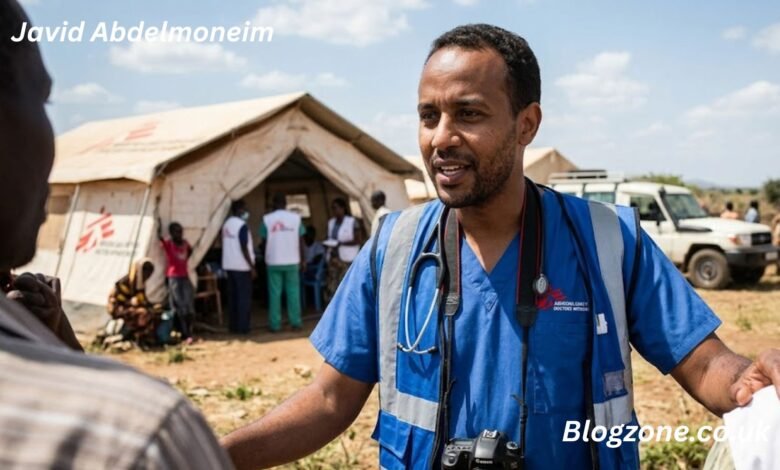
Javid Abdelmoneim has established himself as one of the most respected medical professionals to successfully bridge the worlds of healthcare, journalism, and humanitarian work. His career demonstrates that medicine is not confined to hospitals and clinics but can extend into television, documentaries, emergency response, and international humanitarian missions. Through years of dedication, he has become a trusted voice capable of explaining complex health issues in a way that ordinary people can understand while continuing to serve communities facing some of the world’s most difficult medical crises.
Throughout his professional journey, he has combined scientific expertise with compassion, earning recognition not only as a practicing doctor but also as an experienced broadcaster and humanitarian physician. His work has taken him across continents, where he has witnessed infectious disease outbreaks, humanitarian emergencies, refugee crises, and healthcare challenges that rarely make headlines. Rather than remaining within the comfort of traditional medical practice, he has consistently chosen to work on the front lines, helping vulnerable populations while educating audiences through responsible journalism. This unique combination of medicine and storytelling has made him an influential figure in public health communication.
Early Life and Educational Foundation
Every accomplished medical professional begins with years of education, discipline, and personal commitment, and this is equally true for Javid Abdelmoneim. His passion for science and healthcare developed early, eventually leading him toward formal medical education where he built the knowledge and clinical skills that would shape his future career.
Medical education requires more than academic excellence. Students must develop empathy, resilience, problem-solving abilities, and the capacity to make critical decisions under pressure. These qualities later became defining characteristics of his professional life, especially during humanitarian missions where healthcare resources were often limited and every decision carried significant consequences.
His educational background provided a strong scientific foundation that later allowed him to communicate medical information accurately to broad audiences without sacrificing scientific integrity. This balance between medical precision and public understanding would become one of his greatest strengths.
Building a Career in Medicine
After qualifying as a physician, Javid Abdelmoneim gained valuable clinical experience by working directly with patients. Clinical practice exposed him to a wide range of illnesses, patient concerns, and healthcare systems, helping him understand both the scientific and human aspects of medicine.
Doctors spend years developing diagnostic skills, learning to interpret symptoms, laboratory findings, and patient histories before reaching informed medical conclusions. These experiences not only improve medical judgment but also develop communication skills, as physicians must explain complicated conditions in clear and reassuring language.
His medical career expanded beyond routine clinical work. Rather than limiting himself to one specialty or healthcare setting, he embraced opportunities that connected medicine with education, public engagement, and international service. This willingness to explore different dimensions of healthcare distinguished him from many traditional physicians.
Transition into Medical Journalism
One of the most remarkable aspects of Javid Abdelmoneim’s career is his successful transition into medical journalism and broadcasting. In an era where misinformation can spread rapidly, qualified medical professionals who communicate evidence-based information play an increasingly important role.
Medical journalism demands much more than presenting facts. Journalists must investigate complex issues, interview experts, understand emerging research, and explain scientific findings in language accessible to the general public. For someone with clinical training, this creates an opportunity to translate complicated medical concepts into practical knowledge that helps audiences make informed decisions.
His broadcasting work reflects careful attention to scientific accuracy while maintaining engaging storytelling. Rather than sensationalizing health topics, he focuses on providing context, explaining risks realistically, and highlighting the human stories behind medical challenges.
This balanced approach has helped build public trust, especially during periods when reliable health information becomes critically important.
Humanitarian Missions Around the World
Perhaps the most inspiring chapter of Javid Abdelmoneim’s professional journey is his extensive humanitarian work. Many physicians choose stable careers within established healthcare systems, but humanitarian medicine requires extraordinary adaptability and courage.
Working in conflict zones, disaster-affected regions, refugee camps, and underserved communities presents challenges rarely encountered in conventional hospitals. Medical professionals often face shortages of equipment, medications, electricity, laboratory services, and trained personnel while treating patients with severe illnesses and traumatic injuries.
These missions demand rapid decision-making, resourcefulness, and emotional resilience. Doctors must provide high-quality care despite difficult conditions, often treating diseases that have become uncommon in wealthier nations.
His humanitarian experience demonstrates a commitment to healthcare as a universal human right rather than a privilege available only to certain populations.
Responding to Global Health Emergencies
Throughout modern history, infectious disease outbreaks and humanitarian emergencies have tested healthcare systems worldwide. Physicians with international field experience play a vital role in responding to these crises, and Javid Abdelmoneim has contributed significantly in this area.
Global health emergencies require collaboration among governments, international organizations, healthcare workers, researchers, and local communities. Physicians working in outbreak settings must diagnose illnesses quickly, implement infection control measures, educate communities, and support overwhelmed healthcare systems.
Beyond direct patient care, emergency response also involves monitoring disease patterns, identifying risk factors, and communicating accurate information to reduce panic and misinformation. These responsibilities require scientific expertise combined with effective public communication.
His experience in these environments has strengthened his reputation as a physician capable of working under intense pressure while maintaining professional standards and compassion.
The Importance of Public Health Communication
Modern healthcare extends beyond treating individual patients. Public health communication helps entire populations understand disease prevention, healthy lifestyles, vaccination programs, nutrition, mental health, and emergency preparedness.
Javid Abdelmoneim has consistently demonstrated the importance of accurate medical communication. During health crises, the public often encounters conflicting information from multiple sources. Trusted medical voices help people distinguish between evidence-based guidance and misinformation.
Effective health communication requires understanding both science and human behavior. Simply presenting facts is rarely enough. Successful communicators explain why recommendations matter, address public concerns respectfully, and encourage informed decision-making.
His work illustrates how physicians can influence public health not only through direct clinical care but also through education and responsible journalism.
Documentary Work and Storytelling
Medical documentaries serve an important educational purpose by bringing viewers closer to healthcare realities that often remain unseen. Through documentary work, Javid Abdelmoneim has explored healthcare systems, disease outbreaks, humanitarian crises, and medical innovation from a unique professional perspective.
Unlike fictional medical dramas, documentaries provide audiences with authentic insights into the challenges facing healthcare workers and patients worldwide. They reveal how social, political, economic, and environmental factors influence health outcomes.
Storytelling also humanizes medicine. Statistics may describe the scale of a health crisis, but individual stories help audiences understand its emotional and human impact. Physicians who document these experiences contribute to greater public awareness and empathy.
His ability to combine clinical expertise with compelling storytelling has strengthened public understanding of global health issues.
Leadership in Humanitarian Medicine
Leadership within humanitarian healthcare differs significantly from leadership in traditional hospitals. Teams often operate under rapidly changing conditions where resources are scarce and priorities shift quickly.
Successful leaders must coordinate multidisciplinary teams, support exhausted colleagues, maintain morale, ensure patient safety, and make ethically complex decisions. Humanitarian physicians frequently collaborate with nurses, logisticians, epidemiologists, engineers, translators, and local healthcare workers.
Javid Abdelmoneim’s experience demonstrates the value of collaborative leadership. Rather than focusing solely on individual achievement, humanitarian medicine depends upon teamwork, shared responsibility, and mutual respect across diverse professional backgrounds.
Such leadership contributes not only to improved patient care but also to stronger healthcare systems capable of responding to future emergencies.
Balancing Medicine and Media
Maintaining careers in both medicine and broadcasting presents unique challenges. Clinical medicine demands continuous education, professional licensing, and practical experience, while journalism requires communication skills, investigative research, and public engagement.
Balancing these responsibilities requires exceptional time management and professional discipline. Yet the combination offers important advantages. Clinical experience informs accurate reporting, while journalism amplifies medical knowledge beyond individual patient consultations.
Javid Abdelmoneim represents a growing group of physicians who recognize that healthcare education can reach millions through television, documentaries, interviews, and digital media. This expanded role increases the social impact of medical expertise while encouraging evidence-based public discussion.
Influence on Future Healthcare Professionals
Many young doctors today seek careers that extend beyond traditional clinical practice. They aspire to contribute through research, education, humanitarian work, policy development, or media communication.
Javid Abdelmoneim’s career provides an inspiring example of how medical training can open diverse professional pathways. His work demonstrates that physicians can improve healthcare not only by treating patients but also by informing communities, supporting international relief efforts, and advocating for stronger public health systems.
Future healthcare professionals increasingly recognize the value of interdisciplinary careers that combine medicine with communication, leadership, technology, and global cooperation.
His professional journey encourages aspiring physicians to think broadly about how their skills can serve society.
Challenges Faced Throughout His Career
A career spanning medicine, humanitarian work, and journalism inevitably involves significant challenges. Humanitarian deployments expose healthcare workers to dangerous environments, emotional trauma, infectious diseases, and physically demanding conditions.
Broadcast journalism presents different pressures, including tight deadlines, rapidly evolving scientific evidence, and the responsibility of communicating accurate information during uncertain situations. Balancing public expectations with scientific caution requires integrity and professionalism.
Additionally, healthcare professionals working in the public eye must maintain credibility while navigating complex ethical considerations surrounding patient privacy, medical accuracy, and responsible reporting.
Despite these challenges, Javid Abdelmoneim has continued building a career defined by service, professionalism, and commitment to public education.
Lasting Contributions to Global Healthcare
The influence of Javid Abdelmoneim extends far beyond individual patients or television audiences. His combined work in clinical medicine, humanitarian response, broadcasting, and public education contributes to broader improvements in global health awareness.
By documenting humanitarian crises, explaining emerging diseases, promoting evidence-based healthcare, and serving communities affected by conflict and disaster, he has helped strengthen public understanding of international health challenges.
His work also highlights the interconnected nature of global health. Diseases, humanitarian emergencies, and healthcare inequalities do not remain confined within national borders. International cooperation, scientific research, and public education are essential for addressing these shared challenges.
Through his diverse professional roles, he has consistently demonstrated that medicine can serve humanity in multiple ways, whether through direct patient care, documentary storytelling, emergency response, or health communication.
Conclusion
Javid Abdelmoneim represents a modern physician whose career reaches far beyond the walls of a hospital. By combining clinical expertise with journalism, humanitarian service, and public education, he has shown how medical professionals can make meaningful contributions on both local and global scales. His work reflects compassion, scientific integrity, and a commitment to improving lives through knowledge and action.
His career serves as an inspiring example of how healthcare professionals can embrace diverse opportunities while remaining dedicated to the core values of medicine. Whether treating patients in challenging humanitarian settings, explaining complex health topics to the public, or documenting important global health issues, he continues to demonstrate the powerful impact that one committed physician can have across multiple fields.
As global healthcare continues to evolve, professionals like Javid Abdelmoneim remind us that medicine is not only about diagnosing illness but also about educating communities, supporting vulnerable populations, promoting scientific understanding, and inspiring future generations to pursue compassionate and evidence-based healthcare.