Jackfruit: Benefits, Nutrition, Uses, and How to Eat It
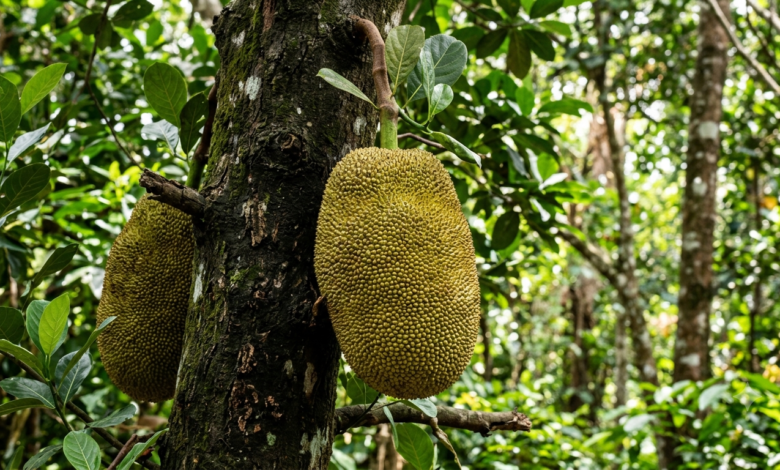
Jackfruit is a large tropical fruit known for its distinctive sweet flavor, rich nutritional profile, and versatility in cooking. Native to South and Southeast Asia, jackfruit has become popular worldwide because it can be enjoyed both ripe and unripe. Ripe jackfruit has a sweet, fruity taste, while young green jackfruit has a mild flavor and a texture that makes it a popular plant-based alternative to shredded meat. The fruit grows on trees and is recognized by its large size, green or yellow-green outer skin, and numerous fleshy yellow pods inside.
Jackfruit is valued not only for its taste but also for its fiber, vitamins, minerals, and plant-based carbohydrates. People use it in curries, desserts, smoothies, salads, snacks, and traditional dishes. It can also be purchased fresh, frozen, canned, or dried, making it accessible in many different forms. Understanding jackfruit’s nutritional value, potential health benefits, preparation methods, and storage requirements can help you include this tropical fruit in a balanced diet.
What Is Jackfruit?
Jackfruit, scientifically known as Artocarpus heterophyllus, is a tropical fruit belonging to the Moraceae family, which also includes figs and mulberries. It grows in warm, humid climates and is widely cultivated in countries such as Bangladesh, India, Sri Lanka, Thailand, Indonesia, and Malaysia. Bangladesh recognizes jackfruit as its national fruit, and it has a long history of use in South Asian cuisine.
One of the most remarkable features of jackfruit is its size. A mature fruit can weigh several kilograms, and exceptionally large specimens may weigh more than 30 kilograms. Its thick, rough outer skin protects numerous edible yellow or golden-colored pods. Each pod contains sweet flesh surrounding a seed, and both the flesh and seeds can be eaten when properly prepared.
Jackfruit has two main culinary forms: ripe and unripe. Ripe jackfruit is sweet and aromatic, making it suitable for desserts and snacks. Unripe jackfruit is firmer, less sweet, and commonly used in savory recipes. This flexibility has helped jackfruit gain popularity among people interested in traditional cooking, vegetarian meals, and plant-based diets.
Jackfruit Nutrition Facts
Jackfruit provides carbohydrates, dietary fiber, vitamin C, potassium, and several other nutrients. Its exact nutritional composition depends on the variety, ripeness, serving size, and preparation method. Fresh ripe jackfruit is primarily a source of energy from carbohydrates, while its fiber contributes to a balanced eating pattern.
A serving of approximately 100 grams of raw jackfruit typically provides around 95 calories, 1.7 grams of protein, 0.6 grams of fat, and 25 grams of carbohydrates. It also supplies roughly 1.5 grams of fiber and about 13.7 milligrams of vitamin C. These figures are approximate and can vary between fruit varieties and food databases.
Jackfruit also contains potassium, which supports normal muscle function and fluid balance, along with smaller amounts of magnesium and other essential minerals. Its yellow flesh contains carotenoids, including compounds the body can use to produce vitamin A. These nutrients help explain why jackfruit can be a useful part of a varied diet.
Although jackfruit offers several nutritional benefits, it is not especially high in protein compared with beans, lentils, eggs, or other protein-rich foods. People using young jackfruit as a meat substitute should consider serving it alongside beans, tofu, lentils, or another protein source to create a more nutritionally balanced meal.
Health Benefits of Jackfruit
Jackfruit contains several nutrients that support general health. Although no single fruit can prevent or cure disease, eating jackfruit as part of a balanced diet can contribute to better nutritional variety.
Supports Digestive Health
Jackfruit contains dietary fiber, which helps support regular bowel movements and healthy digestion. Fiber adds bulk to stool and can help reduce constipation when consumed with sufficient fluids. Eating fiber-rich foods regularly also supports a healthy dietary pattern that benefits the digestive system. However, people who are not accustomed to eating much fiber should increase their intake gradually to avoid bloating or gas.
Provides Vitamin C
Vitamin C is an important nutrient that supports normal immune function, collagen formation, and wound healing. Jackfruit provides vitamin C, helping contribute to daily nutritional requirements. It also contains antioxidant compounds that help protect cells from oxidative damage. Jackfruit should be combined with other fruits and vegetables to obtain a wider range of vitamins and protective plant compounds.
Contributes to Heart Health
Jackfruit contains potassium, a mineral involved in maintaining normal blood pressure and muscle function. A diet rich in fruits, vegetables, and other potassium-containing foods may support healthy blood pressure, particularly when combined with reduced sodium intake. However, eating jackfruit alone does not guarantee better heart health, and individuals with kidney disease or potassium restrictions should follow their healthcare professional’s advice.
Supports Energy Levels
The natural carbohydrates in ripe jackfruit provide energy for daily activities. This makes it a convenient option for people who want a naturally sweet snack instead of highly processed sugary foods. Its fiber also contributes to the overall quality of the diet. For a more filling snack, jackfruit can be paired with yogurt, nuts, or another source of protein.
Ripe Jackfruit vs. Unripe Jackfruit
Jackfruit’s flavor, texture, and culinary uses change significantly as it matures. Knowing the difference between ripe and unripe jackfruit makes it easier to select the right type for a recipe.

Ripe jackfruit has yellow or golden flesh, a sweet aroma, and a soft, juicy texture. It is commonly eaten fresh or added to fruit salads, smoothies, desserts, and ice cream. Its natural sweetness makes it suitable for people who enjoy tropical fruits, although portion size matters for those monitoring carbohydrate intake.

Young green jackfruit has a mild taste and firm, fibrous flesh. It absorbs seasonings well and is frequently cooked in curries, stews, stir-fries, and plant-based sandwiches. Its texture resembles shredded meat when cooked, but it generally contains much less protein than meat and should not be treated as a nutritionally identical replacement.
Both forms are useful in cooking, but they serve different purposes. Choose ripe jackfruit when you want a sweet fruit and unripe jackfruit when preparing savory dishes.
Popular Ways to Eat Jackfruit
Jackfruit is versatile enough to be included in breakfast, lunch, dinner, and snacks. The best preparation method depends on whether the fruit is ripe or green.
- Eat it fresh: Remove the edible yellow pods from a ripe jackfruit and enjoy them as a snack.
- Make smoothies: Blend ripe jackfruit with milk or a dairy-free alternative, banana, and ice.
- Prepare jackfruit curry: Cook young green jackfruit with onions, tomatoes, garlic, ginger, and spices.
- Create plant-based sandwiches: Season cooked shredded jackfruit with barbecue sauce and serve it in a bun.
- Add it to desserts: Use ripe jackfruit in puddings, cakes, fruit salads, and traditional sweets.
- Cook the seeds: Boil or roast properly prepared jackfruit seeds until fully cooked, then eat them as a snack or add them to meals.
When purchasing canned jackfruit, check the label carefully. Young jackfruit packed in water or brine is generally suitable for savory dishes, while jackfruit packed in syrup is intended for sweeter recipes. Rinse brined jackfruit if appropriate for the recipe to reduce excess salt.
How to Choose and Cut Jackfruit
Choosing a good jackfruit can make preparation easier and improve the eating experience. For ripe fruit, look for a mature specimen with a pleasant, sweet aroma and some yellowish coloring. The outer skin may yield slightly under gentle pressure. Avoid fruit with extensive mold, leaking liquid, or an unpleasant fermented smell.
Young green jackfruit should generally have firm flesh and a fresh appearance. If buying a whole fruit, consider its size because jackfruit can be difficult to handle and produces sticky latex when cut.
To prepare a whole jackfruit, follow these steps:
- Place the fruit on a stable cutting board and use a large, sharp knife.
- Apply a little cooking oil to the knife and your hands to help manage the sticky latex.
- Cut the fruit into manageable sections.
- Remove the central core and separate the edible pods from the fibrous material.
- Remove the seeds from the ripe pods if desired.
- Wash the edible portions when appropriate and store them in a clean, covered container.
Cutting a large jackfruit can be messy and requires care. If you are unfamiliar with handling one, buying prepared pods or canned jackfruit may be more convenient. Keep knives away from children and clean all utensils and work surfaces after preparation.
Possible Side Effects and Precautions
Jackfruit is safe for most people when consumed as part of a normal diet, but there are some considerations worth understanding.
Allergic reactions: Some people may be allergic to jackfruit. Individuals with latex allergy or certain pollen allergies may have cross-reactivity with particular fruits, although this does not mean everyone with such allergies will react to jackfruit. Anyone who develops swelling, hives, difficulty breathing, or other symptoms after eating it should seek appropriate medical attention. Difficulty breathing or throat swelling requires emergency care.
Blood sugar management: Ripe jackfruit contains natural sugars and carbohydrates that affect blood glucose. People with diabetes can often include fruit in their meal plans, but portion size and overall carbohydrate intake are important. Monitoring individual blood glucose responses and following professional dietary guidance can help.
Digestive discomfort: Eating large quantities of jackfruit may cause bloating or gas in some people, particularly if their usual diet contains little fiber. Starting with a smaller serving may help determine individual tolerance.
Kidney-related dietary restrictions: Jackfruit contains potassium. People with chronic kidney disease or other conditions requiring potassium restriction should consult their healthcare professional or dietitian about suitable portions.
Jackfruit seeds should also be properly cooked before eating. Do not assume that every part of the fruit is edible in the same way or that raw seeds are interchangeable with cooked seeds.
How to Store Jackfruit Properly
Correct storage helps maintain jackfruit’s flavor, texture, and quality. Whole, uncut fruit can be kept in a cool, well-ventilated place for a limited period, depending on its ripeness and surrounding temperature. Once cut, it should be refrigerated promptly rather than left at room temperature for extended periods.
Store cleaned edible pods in an airtight container in the refrigerator. For best quality, use fresh cut jackfruit within a few days, checking for unusual odors, mold, or changes in texture before eating.
Jackfruit can also be frozen for longer storage. Separate the edible pods, remove the seeds if preferred, and place the portions in freezer-safe bags or containers. Frozen jackfruit is useful for smoothies, cooking, and desserts, although thawed fruit may have a softer texture than fresh fruit.
Canned jackfruit should be stored according to the manufacturer’s instructions. After opening, transfer unused portions to a suitable covered container and refrigerate them. Follow the label’s storage guidance and discard any product that shows signs of spoilage.
Jackfruit in Plant-Based Diets
Jackfruit has become increasingly popular among vegetarians and vegans because young green jackfruit can imitate the texture of shredded meat in certain recipes. It works particularly well in tacos, wraps, burgers, curries, and barbecue-style dishes because its fibrous flesh absorbs sauces and spices.
However, jackfruit is mainly a source of carbohydrates rather than protein. A serving of cooked green jackfruit may provide a meat-like texture without supplying the protein found in chicken, beef, tofu, or legumes. For balanced plant-based meals, combine jackfruit with chickpeas, kidney beans, lentils, tofu, or other protein-rich ingredients.
Jackfruit can also offer variety to people who want to reduce their consumption of meat. Whether it is used in traditional South Asian recipes or modern international dishes, it provides a flexible ingredient that works with many seasonings. Its value in plant-based cooking comes primarily from its texture and versatility rather than from being a complete nutritional substitute for animal protein.
Frequently Asked Questions About Jackfruit
Is jackfruit good for you?
Yes, jackfruit can be a nutritious addition to a balanced diet. It provides carbohydrates, fiber, vitamin C, potassium, and other plant compounds. Its benefits depend on portion size, preparation method, and the overall quality of your diet.
Does jackfruit taste like meat?
Ripe jackfruit tastes sweet and fruity. Young green jackfruit has a mild flavor and fibrous texture that can resemble shredded meat after cooking. It does not naturally taste like meat; sauces and seasonings provide much of the final flavor.
Can you eat jackfruit seeds?
Yes. Jackfruit seeds can be eaten after they have been properly cooked, commonly by boiling or roasting. They should not be treated as ready-to-eat raw seeds.
Is jackfruit suitable for weight management?
Jackfruit can fit into a weight-management diet because it provides fiber and can satisfy a desire for something sweet. However, it still contains calories and carbohydrates. Overall food intake, portion sizes, and physical activity matter more than any single fruit.
Can people with diabetes eat jackfruit?
Many people with diabetes can eat measured portions of jackfruit, but ripe jackfruit contains carbohydrates that can raise blood glucose. Individual needs vary, so portion control and guidance from a healthcare professional are advisable.
Is jackfruit the same as durian?
No. Jackfruit and durian are different tropical fruits. Jackfruit has large, fibrous edible pods and a sweet flavor, while durian has a strong distinctive aroma and a rich, creamy flesh.
Conclusion
Jackfruit is a versatile tropical fruit that offers nutritional value, distinctive flavor, and a wide range of culinary uses. Its ripe yellow pods are naturally sweet and suitable for snacks and desserts, while young green jackfruit works well in curries, stews, and plant-based meals. It provides fiber, vitamin C, potassium, and carbohydrates that can contribute to a balanced diet.
Although jackfruit offers several advantages, it is important to understand its limitations. It is not particularly high in protein, and people managing blood sugar levels, potassium restrictions, or food allergies may need to take additional precautions. Choosing fresh, good-quality fruit, preparing it safely, and storing it properly can help you enjoy jackfruit at its best. When combined with a variety of vegetables, fruits, whole grains, and protein-rich foods, jackfruit can be a valuable and enjoyable part of everyday eating.