Changi Bay Point: A Complete Guide to Singapore’s Scenic Coastal Attraction
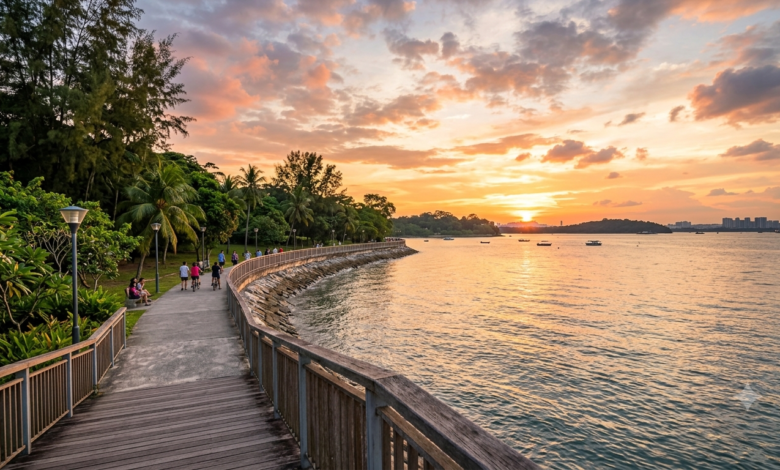
Changi Bay Point is a peaceful waterfront destination in eastern Singapore, known for its scenic sea views, coastal boardwalk, cycling bridges, and relaxing natural surroundings. Located along Aviation Road, this attractive outdoor spot forms part of the Changi Bay Park Connector, a 3.6-kilometre route connecting Changi Beach Park with the wider East Coast Park Connector Network. It is an excellent destination for people who enjoy cycling, walking, photography, and spending time near the water. Unlike Singapore’s busy shopping malls and crowded tourist attractions, Changi Bay Point offers a quieter environment where visitors can appreciate the coastline and enjoy a break from city life.
Whether you live in Singapore or are visiting the country, Changi Bay Point can be a worthwhile addition to a nature-focused itinerary. Visitors can explore the elevated boardwalk, rest at the waterfront pavilion, take photographs of the surrounding landscape, and continue their journey along nearby coastal paths. The attraction is particularly appealing to travellers seeking free outdoor activities, couples looking for a peaceful walk, and cycling enthusiasts who want to explore Singapore’s eastern coastline.
1. What Is Changi Bay Point?
Changi Bay Point is a public coastal lookout situated along the Changi Bay Park Connector in Singapore. Its main features include an approximately 140-metre-long boardwalk, a breakwater, a pavilion with benches, and two cycling bridges that form part of the wider coastal cycling network. These features make it more than just a viewpoint; it is also a convenient resting place for people travelling along the eastern shoreline.
The area has a distinctive character because it combines modern infrastructure with a relatively natural coastal setting. Visitors can enjoy open waterfront views while observing the plants, trees, and other natural elements surrounding the pathway. The design allows people to experience the coast without needing to visit a commercial attraction or purchase an admission ticket. For travellers who prefer simple outdoor experiences, Changi Bay Point provides an opportunity to enjoy Singapore from a different perspective.
Where Is Changi Bay Point Located?
Changi Bay Point is located along Aviation Road in eastern Singapore. It forms part of the Round Island Route, a broader recreational network designed to connect different parts of the island through cycling paths and park connectors. The location is associated with Changi Beach Park and the coastal areas leading towards the East Coast Park Connector Network.
Its eastern location makes it a useful destination for residents and visitors exploring Singapore beyond the central business district. The surrounding environment is generally quieter than the city centre, offering a change of scenery for people who want to spend time outdoors. Because the attraction is part of a connected network, visitors can also incorporate it into a longer cycling or walking trip rather than treating it as a standalone destination.
When planning a visit, use a current map application to locate Changi Bay Point along Aviation Road. Checking the route before leaving can help you identify the nearest bus stop and determine how much walking or cycling will be required.
Best Things to Do at Changi Bay Point


12
There are several enjoyable activities at Changi Bay Point, even though it is a relatively small outdoor attraction. Its appeal comes from the combination of waterfront scenery, recreational paths, and opportunities to relax in a natural setting.
- Walk along the boardwalk: Enjoy the coastal atmosphere and open views of the water while exploring the elevated walkway.
- Take photographs: Capture the coastline, cycling bridges, greenery, and changing colours of the sky.
- Ride a bicycle: Use the connected cycling routes to explore nearby coastal parks and longer sections of Singapore’s recreational network.
- Relax at the pavilion: Take a break on the benches while enjoying the waterfront scenery.
- Observe nature: Look for coastal plants, birds, and other wildlife without disturbing their natural environment.
- Enjoy a quiet outdoor escape: Spend time away from crowded commercial areas and enjoy a slower pace.
These activities make Changi Bay Point suitable for solo travellers, couples, photography enthusiasts, and people who enjoy light outdoor exercise. However, visitors should remember that it is primarily a coastal recreational space rather than a full-service tourist attraction with extensive indoor facilities.
The Changi Bay Park Connector
The Changi Bay Park Connector is one of the most important features associated with Changi Bay Point. According to Singapore’s National Parks Board, the route extends approximately 3.6 kilometres and connects Changi Beach Park with the East Coast Park Connector Network. It opened to the public in January 2022 and forms part of the eastern corridor of the Round Island Route.
The route provides an opportunity to explore Singapore’s coastline through a combination of paths, bridges, and waterfront viewpoints. Cyclists can incorporate Changi Bay Point into longer recreational rides, while walkers can enjoy sections of the route at a more relaxed pace. The boardwalk and cycling bridges also offer places to pause and appreciate the surrounding landscape.
For visitors who prefer active holidays, this connected network is a major advantage. Instead of travelling between attractions by car or public transport, they can explore portions of the eastern coastline on foot or by bicycle. Before setting out on a long journey, check the route map and current conditions, and allow enough time for rest stops and the return trip.
Best Time to Visit Changi Bay Point
The best time to visit Changi Bay Point depends on the weather, your preferred activities, and the kind of photographs you want to take.
Early morning is a good choice for visitors who prefer cooler conditions and a quieter atmosphere. Walking or cycling earlier in the day can be more comfortable than exercising under Singapore’s strong midday sun. Morning light can also provide attractive conditions for coastal photography.
Late afternoon is another appealing option. Temperatures may become more comfortable as the day progresses, and the changing light can make the waterfront particularly photogenic. Visitors interested in sunset photography should check the local sunset time and arrive early enough to find a suitable viewpoint.
Midday visits are possible, but direct sunlight and high humidity may make outdoor activities less comfortable. Singapore also experiences sudden rain, so checking the weather forecast before travelling is advisable.
Regardless of the time you choose, carry drinking water, use sun protection, and wear comfortable footwear. If you plan to cycle, make sure your bicycle lights and safety equipment are suitable for the conditions.
6. How to Reach Changi Bay Point
Changi Bay Point can be reached through Singapore’s public transport network, followed by a walk or bicycle ride along the relevant connecting paths.
The National Parks Board lists bus service 35 and bus stop 95161 as access information for the Changi Bay Park Connector. Visitors should confirm the current bus route, stop location, and walking directions before travelling, as public transport arrangements may change.
Here are some practical ways to plan your journey:
- By bus: Check whether bus 35 provides a convenient connection from your starting point and identify the appropriate stop.
- By bicycle: Use Singapore’s cycling network to approach the Changi Bay Park Connector from nearby coastal routes.
- By car or taxi: Enter Changi Bay Point or the relevant Aviation Road access point into your navigation app, and verify where stopping or parking is permitted.
- By combining transport and walking: Take public transport to a suitable nearby stop and follow the designated pedestrian route.
The most convenient option will depend on where you are staying. If you intend to cycle, consider the full distance and return journey rather than planning only for the section leading to Changi Bay Point.
Photography and Scenic Views at Changi Bay Point

13
Photography is one of the most enjoyable activities at Changi Bay Point. The combination of open water, elevated walkways, bridges, and greenery creates a variety of compositions for both beginner and experienced photographers. You do not need professional equipment to capture attractive images of the location.
For landscape photography, try including the boardwalk or bridge in the foreground to create depth. Wide-angle photographs can help capture the surrounding coastline, while close-up images of coastal plants provide a different perspective. Early morning and late afternoon light can add softer tones to the scenery.
Smartphone users can also take excellent photographs by keeping the horizon level and avoiding unnecessary digital zoom. If you are using a tripod, ensure that it does not obstruct pedestrians or cyclists. Always remain on designated paths and avoid entering restricted or unsafe areas for a better photograph.
Changi Bay Point can also be a useful location for travel blogs, personal photo collections, and social media content. However, the scenery depends on the weather and lighting, so visitors should not expect identical views on every visit.
Nearby Attractions Worth Exploring
Changi Bay Point can be combined with other attractions in eastern Singapore to create a more complete day outdoors. The best options depend on how much time you have and whether you prefer cycling, walking, or relaxing by the sea.

Changi Beach Park offers a more traditional beach environment with sandy stretches, coastal greenery, and places to relax. It is a natural choice for visitors who want to extend their outdoor trip beyond the boardwalk.

This separate coastal walking attraction features six sections, including Beach Walk, Sailing Point Walk, Cliff Walk, and Sunset Walk. Its approximately 2.2-kilometre boardwalk offers another way to experience Changi’s coastline.

Changi Village is a useful stop for local food and refreshments before or after a coastal outing. It can complement a nature-focused itinerary with a taste of Singapore’s everyday food culture.
These locations offer different experiences, so you can choose the combination that best suits your interests. For example, a morning cycling trip could include Changi Bay Point and Changi Beach Park, followed by a meal in Changi Village.
5.0
4.1
4.4
5.0
Use two fingers to move the map
Use ctrl + scroll to zoom the map
9. Facilities, Accessibility, and Visitor Tips
Changi Bay Point is designed as an outdoor recreational stop rather than a commercial complex. The pavilion and benches provide places to rest, while the connected park connector supports walking and cycling. The National Parks Board identifies the Changi Bay Park Connector as wheelchair accessible. However, visitors should check the accessibility of their entire route, including transport connections and approaches to individual facilities.
To make your visit more comfortable, keep these practical tips in mind:
- Bring water: Singapore’s tropical climate can make outdoor exercise tiring, especially during the hottest part of the day.
- Wear suitable shoes: Comfortable walking or cycling footwear is preferable to slippery sandals.
- Check the weather: Heavy rain and thunderstorms can affect outdoor activities.
- Protect yourself from the sun: Use sunscreen, sunglasses, and a hat when appropriate.
- Follow cycling etiquette: Keep to designated routes, watch for pedestrians, and slow down near busy areas.
- Respect nature: Avoid littering, disturbing wildlife, or damaging plants.
- Plan facilities in advance: Do not assume that toilets, food stalls, or sheltered areas are available directly at the viewpoint.
Visitors should also be careful near the water and breakwater. Stay within designated public areas, obey safety signs, and avoid approaching exposed edges during wet or windy conditions.
Is Changi Bay Point Worth Visiting?
Changi Bay Point is worth considering if you enjoy quiet outdoor destinations, scenic coastal walks, and cycling routes. Its strongest attractions are its waterfront setting, public boardwalk, convenient resting pavilion, and connection to a longer recreational network.
However, it may not be the ideal destination for every traveller. People seeking shopping, indoor entertainment, extensive dining options, or major sightseeing attractions may prefer other parts of Singapore. Changi Bay Point is relatively simple by design, and its appeal lies in the opportunity to enjoy nature without paying an admission fee.
For visitors who have already explored Singapore’s famous landmarks, it offers a different experience focused on fresh air, open views, and gentle outdoor activity. It can also be a practical stop for residents who want to incorporate cycling or walking into their regular routine.
The key is to match your expectations to the location. Plan a visit around the coastline and nearby parks rather than expecting a large attraction with multiple services. With reasonable weather and enough time to explore, Changi Bay Point can be a rewarding part of a trip to eastern Singapore.
Frequently Asked Questions (FAQs)
1. Where is Changi Bay Point located?
Changi Bay Point is located along Aviation Road in eastern Singapore. It forms part of the Changi Bay Park Connector and the eastern corridor of the Round Island Route.
2. Is Changi Bay Point free to visit?
Yes. Changi Bay Point is a public outdoor recreational area, and general access does not require an admission ticket. Check official information before travelling in case access arrangements change.
3. What can visitors do at Changi Bay Point?
Visitors can walk along the boardwalk, cycle on connecting routes, enjoy waterfront views, take photographs, and rest at the pavilion.
4. How long should I spend at Changi Bay Point?
Around 30 minutes to an hour may be sufficient for a short visit. Allow additional time if you plan to cycle, take photographs, or explore the surrounding coastal parks.
5. What is the best time to visit Changi Bay Point?
Early morning and late afternoon are good options for more comfortable outdoor conditions and attractive natural lighting. Check the weather before setting out.
6. How do I get to Changi Bay Point by public transport?
Bus service 35 and stop 95161 are listed by Singapore’s National Parks Board for the Changi Bay Park Connector. Confirm the current service and walking directions before your trip.
7. Is Changi Bay Point suitable for cycling?
Yes. It is connected to a 3.6-kilometre park connector that forms part of Singapore’s wider cycling network. Cyclists should follow designated paths and observe safety rules.
8. Is Changi Bay Point suitable for families?
It can be suitable for families who enjoy outdoor walks and coastal scenery. Adults should supervise children carefully around bicycles, bridges, and waterfront edges.
Conclusion
Changi Bay Point is a scenic coastal destination that highlights a quieter side of Singapore. With its boardwalk, waterfront pavilion, cycling bridges, and connection to the Changi Bay Park Connector, it provides a simple and accessible way to enjoy the outdoors. Whether you want to take photographs, go for a bicycle ride, or spend a peaceful morning by the sea, this location offers several reasons to explore eastern Singapore.
Its main advantage is its simplicity: visitors can appreciate the coastline without expensive tickets or a complicated itinerary. By choosing a suitable time, bringing essential supplies, and combining the visit with nearby attractions, you can make the most of your trip to Changi Bay Point.