Proms Soul Revolution: A Celebration of Soul, Gospel and Civil Rights
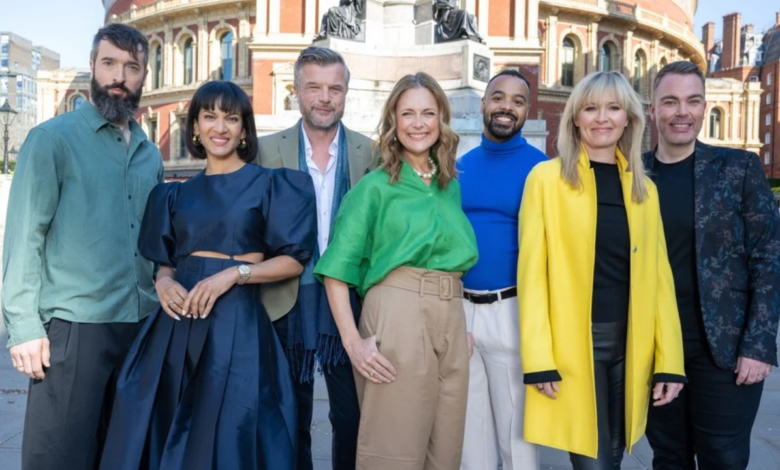
The keyword “Proms Soul Revolution” refers to the BBC Proms 2025 concert Soul Revolution with Trevor Nelson, a special programme that brought soul, gospel and spiritual music into an orchestral setting. Held at London’s Royal Albert Hall on 3 August 2025, the concert explored how Black American music became closely connected with the struggle for civil rights, freedom and social change.
Rather than presenting soul simply as popular entertainment, the programme followed a historical musical journey. It connected spirituals and gospel traditions with songs by artists including Aretha Franklin, Marvin Gaye, Stevie Wonder, Nina Simone, Curtis Mayfield, James Brown and Sam Cooke. Trevor Nelson presented and co-curated the event, while Daniel Bartholomew-Poyser conducted the BBC Concert Orchestra.
What Was Proms Soul Revolution?
Proms Soul Revolution was part of the 2025 BBC Proms season and was designed around the relationship between music and the American civil rights movement. The concert used orchestral arrangements to revisit songs that carried themes of identity, equality, protest, hope and community.
The BBC described the programme as tracing a path from spirituals through gospel to soul. This approach allowed the concert to show how different musical traditions developed and influenced one another. The performance also demonstrated how songs written decades ago can continue to carry historical and cultural meaning for modern audiences.
The concert was presented by Trevor Nelson, a prominent British broadcaster and DJ known for his work with soul, R&B and related genres. Daniel Bartholomew-Poyser led the BBC Concert Orchestra, bringing together the scale and precision of a symphony orchestra with the energy of soul and gospel performance.
When and Where Did Soul Revolution Take Place?
The live Soul Revolution Prom took place at the Royal Albert Hall in London on 3 August 2025. It was subsequently broadcast as part of the BBC Proms television and radio coverage, with the BBC listing the programme as Soul Revolution with Trevor Nelson.
The Royal Albert Hall provided an especially distinctive setting because the Proms traditionally combines classical orchestral music with programmes that explore other musical traditions. In the 2025 season, the Proms included artists and projects spanning classical, jazz, soul, contemporary music and other genres.
The televised programme aired on BBC Two on 30 August 2025, giving viewers who could not attend the Royal Albert Hall an opportunity to experience the concert.
Trevor Nelson’s Role in the Concert
Trevor Nelson was central to the identity of the programme. He presented and co-curated the concert, helping connect the individual performances with the broader history of soul music and its social context.
His involvement was particularly appropriate because his broadcasting career has long been associated with soul, R&B and Black music culture. Instead of treating the songs as isolated hits, the programme placed them within a wider musical journey.
The result was a concert that moved between familiar classics and pieces that helped illustrate the development of politically conscious Black music. The programme included songs associated with artists such as Sam Cooke, Aretha Franklin, Curtis Mayfield, Marvin Gaye, Nina Simone and Stevie Wonder.
The Artists Performing at Soul Revolution
The concert featured a large group of singers alongside the BBC Concert Orchestra and the LJ Singers. The principal vocalists included Beverley Knight, Jacob Lusk, Reginald Mobley, Tony Momrelle, James Emmanuel and Annahstasia.
Beverley Knight was one of the most prominent performers. She performed music associated with Aretha Franklin and other major soul artists. Jacob Lusk, known for his powerful gospel-influenced voice, also contributed to the programme.
Reginald Mobley brought a countertenor perspective to the concert, particularly in the spiritual repertoire. Tony Momrelle added his experience in British soul, while Annahstasia, James Emmanuel and the LJ Singers expanded the vocal range of the evening.
The combination meant that the concert was not built around a single performer. Instead, it worked as an ensemble celebration of a musical tradition.
Songs Featured in Proms Soul Revolution
The programme covered an extensive selection of songs. Among the featured works were “A Change Is Gonna Come” by Sam Cooke, “Think” by Aretha Franklin, “Ball of Confusion” by the Temptations, “Superfly” by Curtis Mayfield and “Hard Times” by Baby Huey.
Other notable selections included “Move On Up,” “Respect,” “War,” “Living for the City,” “Mississippi Goddam,” “Say It Loud – I’m Black and I’m Proud,” “To Be Young, Gifted and Black,” “The Revolution Will Not Be Televised,” “Higher Ground,” “We Shall Not Be Moved” and “What’s Going On.”
The selection demonstrated the evolution of Black music from religious and spiritual traditions toward soul, funk and socially conscious popular music.
Importantly, these songs were not presented simply as nostalgic favourites. Their lyrics and historical backgrounds gave the programme a strong connection to political and social movements in the United States.
Soul Music and the Civil Rights Movement
One of the central themes of Proms Soul Revolution was the relationship between music and the US civil rights movement. Spirituals and gospel music had long provided spaces for community, expression and resilience, while later soul and R&B artists increasingly addressed social and political subjects.
Sam Cooke’s “A Change Is Gonna Come”, for example, became strongly associated with the civil rights era. Nina Simone’s work also addressed racial inequality and political violence, while songs by Marvin Gaye and Stevie Wonder explored social conditions from different perspectives.
The concert connected these musical traditions rather than treating them as separate categories. The progression from spirituals to gospel and then soul helped explain why certain musical styles became powerful vehicles for cultural expression.
Beverley Knight and “Respect”
One of the most anticipated moments involved Beverley Knight performing “Respect,” the song famously associated with Aretha Franklin. The performance became one of the highlights noted in coverage of the concert.
A review by The Upcoming highlighted “Respect” among the evening’s notable performances and described the concert as a programme built around stories and musical history.
The challenge with performing iconic soul songs is that audiences often have strong associations with the original recordings. Knight’s performance therefore had to balance respect for the source material with the demands of a live orchestral Proms setting.
Critical Response to the Performance
Reviews of the concert were generally attentive to both its musical ambition and individual performances. The Upcoming gave the event a five-star rating and highlighted performances including “Were You There” and “To Be Young, Gifted and Black.”
The Soul House review also praised several performances, including Beverley Knight’s “Respect,” Tony Momrelle’s interpretation of James Brown and Jacob Lusk’s performances. It particularly highlighted Reginald Mobley’s presentation of “Were You There” as a memorable moment.
However, reviews were not uniformly without criticism. The Soul House noted sound-mixing problems affecting some songs, including Nina Simone’s “Mississippi Goddam” and parts of “Ball of Confusion” and “War.”
These observations are useful because they show that the concert can be understood both as a major celebration of soul music and as a live performance with the normal technical and artistic challenges of a large-scale production.
Why Proms Soul Revolution Matters
The significance of Proms Soul Revolution goes beyond its individual performances. The concert demonstrated how a traditionally classical music institution can explore genres with different historical and cultural roots.
The programme also provided a way for audiences to hear well-known soul songs through a large orchestral arrangement. This changes the scale and texture of familiar music while retaining many of its original themes.
More broadly, the concert showed how music can preserve historical experiences. Songs connected with civil rights, racial identity, community and protest continue to be performed because their themes can remain meaningful across generations.
Proms Soul Revolution: Quick Facts
| Detail | Information |
|---|---|
| Event | Soul Revolution with Trevor Nelson |
| Festival | BBC Proms 2025 |
| Venue | Royal Albert Hall, London |
| Live performance | 3 August 2025 |
| TV broadcast | 30 August 2025 |
| Presenter | Trevor Nelson |
| Conductor | Daniel Bartholomew-Poyser |
| Orchestra | BBC Concert Orchestra |
| Vocalists | Beverley Knight, Jacob Lusk, Reginald Mobley, Tony Momrelle, James Emmanuel, Annahstasia |
| Choir | LJ Singers |
| Musical focus | Spirituals, gospel, soul and civil-rights-era music |
| Featured artists | Aretha Franklin, Stevie Wonder, Marvin Gaye, Nina Simone, Curtis Mayfield, Sam Cooke and others |
The concert information and programme details are documented in BBC Proms listings and contemporary coverage.
How to Watch or Listen to Soul Revolution
Because Soul Revolution was part of the BBC Proms 2025 season, the programme was made available through BBC broadcast and digital services. Contemporary listings described it as a BBC Two programme and also indicated BBC Sounds availability for the Proms.
Availability can vary depending on location and BBC rights arrangements. Viewers should therefore check the BBC’s current programme and iPlayer listings for the latest access information.
Final Thoughts on Proms Soul Revolution
Proms Soul Revolution brought together orchestral music, gospel, soul and the history of Black American protest music in a single Royal Albert Hall performance. With Trevor Nelson presenting, Daniel Bartholomew-Poyser conducting and vocalists including Beverley Knight, Jacob Lusk and Reginald Mobley, the concert offered a broad interpretation of music connected with the civil rights era.
Its programme moved from spirituals and gospel toward influential soul, funk and socially conscious songs. From Sam Cooke and Aretha Franklin to Marvin Gaye, Stevie Wonder and Nina Simone, the selected repertoire demonstrated how music could simultaneously entertain, communicate identity and reflect major historical events.
For anyone searching for Proms Soul Revolution, the event is therefore best understood not simply as a soul concert, but as an orchestral exploration of the music, artists and social history that helped shape one of the most influential musical traditions of the modern era.