How Maybury Primary School Nursery Supports Early Years Learning
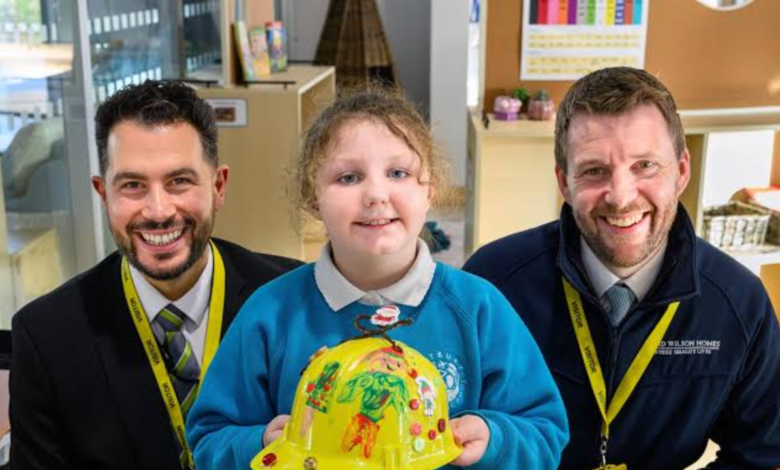
Maybury Primary School Nursery and Its Early Years Approach
Maybury Primary School Nursery follows an early-years approach designed to give young children a positive foundation for their education. Learning is guided by the Early Years Foundation Stage, with attention given to communication, physical development, personal and social skills, early literacy, numeracy and understanding the world. Children can take part in a mixture of planned activities and child-led experiences, allowing them to explore their interests while developing important skills at an appropriate pace. The nursery environment also encourages children to become confident learners by providing opportunities to play, communicate, investigate and interact with others. This balanced approach helps prepare children for the transition into primary school while recognising that every child develops differently.
A Welcoming Start for Young Children
Starting nursery is an important milestone, and Maybury Primary School Nursery aims to make this transition as comfortable and positive as possible. A welcoming environment can help children feel secure while they become familiar with new routines, adults and other children. At this stage, developing a sense of belonging is particularly important because children are more likely to participate in activities and communicate confidently when they feel safe and supported. Everyday routines also give children opportunities to practise simple skills such as listening, sharing, taking turns and following instructions.
The nursery experience also gives children time to build relationships and gradually develop confidence away from home. Staff can support children as they settle into the setting while observing their interests, abilities and areas where additional encouragement may be useful. Activities can then provide opportunities for children to express themselves, make choices and develop positive attitudes towards learning. By creating a supportive beginning, nursery can help children approach their next stages of education with greater confidence and a growing sense of independence.
Learning Through Play and Exploration
Play is an important part of early-years education because it gives children a natural way to investigate ideas, practise new skills and make sense of the world around them. At Maybury Primary School Nursery, children can benefit from opportunities to explore different resources, take part in activities and follow their own interests while adults provide guidance and encouragement. Through imaginative play, construction, creative work, stories and practical experiences, children can develop language, problem-solving, coordination and social skills. This type of learning also allows children to experiment, make choices and learn from everyday experiences, helping them become curious and increasingly confident learners.
Supporting Communication and Personal Development
Communication is a key part of early-years development, and nursery gives children many opportunities to listen, speak and interact with others. Through conversations, stories, songs, group activities and everyday play, children can gradually expand their vocabulary and become more confident expressing their thoughts and feelings. Adults can encourage children to ask questions, respond to others and take part in discussions, while also helping them understand the importance of listening. These experiences provide useful foundations for later reading, writing and learning across the wider curriculum.
Personal development is equally important because children are learning how to manage emotions, form friendships and respond to different situations. Nursery activities can encourage confidence, cooperation and resilience, while everyday routines give children opportunities to practise sharing, taking turns and working alongside their peers. With consistent encouragement, children can begin to recognise their own feelings, understand the feelings of others and develop positive relationships. These social and emotional experiences can make an important contribution to children’s overall development and help them feel more prepared for the challenges of primary school.
Building Independence and School Readiness
Developing independence is an important part of preparing young children for their next stage of education. At Maybury Primary School Nursery, everyday routines and activities can give children opportunities to make choices, complete simple tasks and take increasing responsibility for their belongings and personal needs. Children can also practise skills such as following routines, tidying resources, putting on coats and working with others. These experiences help build confidence while encouraging children to become more capable and willing to try things for themselves. School readiness is not simply about academic skills; it also includes being able to communicate, concentrate, cooperate, manage emotions and participate positively in a classroom environment.
Creating Opportunities for Outdoor Learning
Outdoor learning can give young children valuable opportunities to explore, move and investigate their surroundings in ways that complement indoor activities. Time outside can support physical development by encouraging children to run, climb, balance, handle equipment and develop coordination. It can also stimulate curiosity as children observe changes in weather, plants, animals and the natural environment. Practical outdoor experiences can make learning more meaningful because children can use their senses, test ideas and communicate what they notice.
Outdoor play can also contribute to children’s social and emotional development. When children play together outside, they can practise cooperation, negotiation and turn-taking while developing confidence in their physical abilities. Activities can encourage children to solve simple problems, make choices and persevere when something does not work immediately. A balanced nursery experience that combines indoor learning with outdoor exploration can therefore support several areas of development at the same time, helping children build skills that are useful both in the classroom and in everyday life.
Working With Families and Supporting Individual Needs
A strong partnership between nursery and families can help children receive consistent support as they develop. Maybury Primary School Nursery can use communication with parents and carers to build a better understanding of each child’s interests, experiences, strengths and areas where they may need encouragement. Sharing relevant information about children’s progress can help families understand what their child is working towards and how learning can be supported beyond the nursery setting. At the same time, recognising that children develop at different rates allows adults to provide experiences and guidance that are appropriate to individual needs, helping each child build confidence and make steady progress.
What Parents Should Know About Nursery Provision
For parents considering Maybury Primary School Nursery, understanding the available sessions and admission arrangements is an important first step. The school’s published information explains that nursery sessions are offered during the school day, with morning and afternoon options as well as full-day provision where available. Parents should check the school’s current admissions information for eligibility requirements, application deadlines and available places because arrangements can change between academic years. Understanding these practical details in advance can make the application process clearer and help families choose a provision that fits their circumstances.
Parents may also want to consider how the nursery supports children’s development beyond basic childcare. The early-years approach combines play, planned experiences, communication, social development and opportunities for children to become more independent. Families can gain a clearer picture of the setting by reviewing its current nursery information, asking questions about routines and finding out how staff communicate children’s progress. Taking these factors into account can help parents make an informed decision about whether the nursery environment is suitable for their child’s individual needs and early educational development.
Conclusion and FAQs
Maybury Primary School Nursery provides an early-years setting focused on helping children develop confidence, independence and a positive attitude towards learning. Through play, communication, social interaction, indoor and outdoor experiences, children can build a broad range of skills that support their personal development and future education. The emphasis on individual development also recognises that every child progresses differently. For parents, checking the school’s latest nursery information and admission arrangements remains important when considering a place.
FAQs
What age is Maybury Primary School Nursery for?
The nursery provides early-years education for eligible young children, with exact eligibility depending on the current admissions arrangements.
What does children learn in nursery?
Children develop communication, physical, social, emotional and early academic skills through play and planned learning experiences.
Does the nursery offer outdoor learning?
Yes, outdoor experiences form an important part of early-years learning and can support physical development and exploration.
How can parents apply for a nursery place?
Parents should check the school’s current nursery admissions information for application procedures, deadlines and available places.