David Davis: A Comprehensive Look at His Political Career, Legacy, and Influence
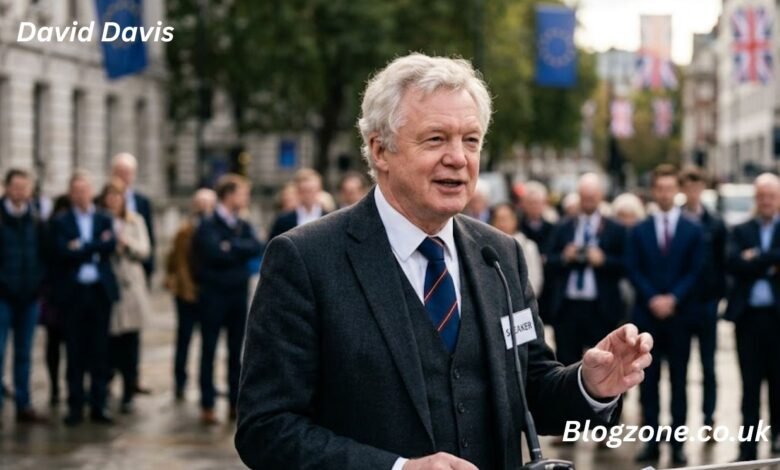
David Davis has remained one of the most recognizable and influential figures in modern British politics for decades. Known for his independent thinking, strong opinions, and long-standing commitment to civil liberties, he has built a reputation that extends beyond party politics. Throughout his parliamentary career, Davis has held significant government positions, challenged political leadership when necessary, and remained a respected voice on constitutional and national issues.
His political journey reflects determination, resilience, and an ability to adapt to changing political environments. From his early professional career to becoming a senior Conservative politician, David Davis has consistently demonstrated leadership qualities that have earned admiration from supporters and respect from political opponents.
Understanding his career provides valuable insight into Britain’s evolving political landscape over the past several decades. His role in major national debates, including Brexit, civil liberties, and government accountability, has left a lasting mark on British public life.
Early Life and Educational Background
David Davis was born on December 23, 1948, in York, England. Raised in a working-class family, his upbringing shaped many of the values that would later define his political philosophy. His early years were marked by hard work, discipline, and determination to create better opportunities for himself.
Unlike many politicians who followed traditional elite educational pathways, Davis built his career through perseverance and practical experience. He attended local schools before pursuing higher education, eventually earning a degree in molecular sciences. Later, he expanded his academic qualifications by studying business administration, strengthening both his scientific knowledge and management skills.
These educational experiences contributed significantly to his analytical approach to politics. Rather than relying solely on political theory, Davis often approached policy debates from a practical and evidence-based perspective.
His background also allowed him to connect with voters from diverse social and economic backgrounds, helping him maintain broad political appeal throughout his career.
Professional Career Before Politics
Before entering Parliament, David Davis enjoyed a successful career in business. He worked for Tate & Lyle, one of Britain’s major industrial companies, where he gained valuable experience in management and corporate leadership.
His time in the private sector provided firsthand knowledge of business operations, economic policy, and organizational management. These experiences later influenced many of his economic and industrial policy positions as a politician.
Unlike career politicians who entered public service immediately after university, Davis brought real-world commercial experience into government. This practical understanding often shaped his views on taxation, business regulation, and economic competitiveness.
His business career also strengthened his reputation as someone capable of making difficult decisions under pressure while balancing competing interests.
Entering British Politics
David Davis entered Parliament after winning election as the Member of Parliament for Boothferry in 1987. Following constituency boundary changes, he later became the MP for Haltemprice and Howden, representing the area for many years.
From the beginning of his parliamentary career, Davis demonstrated a willingness to speak independently. While remaining loyal to Conservative principles, he was never afraid to express disagreement when he believed government policies conflicted with his personal convictions.
His parliamentary contributions quickly attracted attention due to his detailed understanding of complex policy issues and his confident debating style.
As he gained experience, Davis steadily rose through the Conservative Party, earning appointments to increasingly senior positions.
Rise Within the Conservative Party
The Conservative Party recognized David Davis as an effective communicator and capable administrator. Throughout the 1990s and early 2000s, he held numerous shadow cabinet positions, allowing him to develop expertise across multiple policy areas.
His responsibilities included issues related to foreign affairs, local government, constitutional reform, and home affairs. Each position broadened his understanding of national governance and increased his public profile.
One of Davis’s greatest strengths was his ability to master detailed policy matters while communicating them clearly to both Parliament and the public. This combination made him one of the party’s most respected senior figures.
His leadership potential became increasingly evident as he gained influence within Conservative circles.
Service as Home Secretary in the Shadow Cabinet
One of David Davis’s most prominent opposition roles was serving as Shadow Home Secretary. During this period, he became heavily involved in debates surrounding policing, national security, immigration, criminal justice, and civil liberties.
He often argued that protecting national security should never come at the expense of fundamental individual freedoms. This balanced approach distinguished him from politicians who favored either unrestricted government authority or minimal security measures.
His detailed knowledge of legal and constitutional matters allowed him to contribute meaningfully to debates surrounding anti-terror legislation and surveillance powers.
Many observers viewed Davis as one of Parliament’s strongest advocates for maintaining democratic accountability while ensuring public safety.
Leadership Contest and National Recognition
In 2005, David Davis became one of the leading candidates for leadership of the Conservative Party following a period of political transition.
His campaign emphasized experience, practical leadership, and traditional Conservative values. Although he ultimately lost the leadership contest, his strong performance significantly increased his national profile.
The leadership race introduced Davis to a much wider audience and established him as one of the country’s most recognizable politicians.
Despite disappointment, he continued serving the party with professionalism and remained an influential parliamentary figure.
His willingness to continue contributing after losing the leadership race reflected political maturity and commitment to public service.
Champion of Civil Liberties
Perhaps one of the defining features of David Davis’s political career has been his unwavering defense of civil liberties.
He repeatedly opposed legislation that he believed granted excessive powers to government agencies without sufficient oversight. Whether discussing surveillance laws, detention powers, or privacy rights, Davis consistently argued that democratic societies must preserve individual freedoms.
One of the most dramatic moments of his career came when he voluntarily resigned his parliamentary seat to force a by-election focused on civil liberties. This unusual decision demonstrated his willingness to place principles above political convenience.
His successful re-election reinforced public support for his stance and became one of the most memorable episodes in recent British political history.
This commitment to constitutional freedoms remains one of the defining aspects of his legacy.
Role in Brexit Negotiations
David Davis became one of the most prominent figures in British politics following the Brexit referendum.
He was appointed Secretary of State for Exiting the European Union, placing him at the center of one of the most significant constitutional changes in modern British history.
The position required managing highly complex negotiations involving trade, immigration, legal frameworks, and diplomatic relationships with the European Union.
Leading the Brexit department demanded extraordinary political skill, strategic planning, and resilience under intense public scrutiny.
Throughout this challenging period, Davis worked to establish Britain’s negotiating position while addressing concerns from businesses, political leaders, and international partners.
Although the process involved numerous political disagreements and shifting priorities, his role remains one of the most significant chapters of his public career.
Leadership Style
David Davis has consistently demonstrated a leadership style characterized by independence, preparation, and direct communication.
Rather than relying heavily on political slogans, he often focused on detailed policy analysis and logical argument.
Colleagues have frequently described him as disciplined, intellectually curious, and willing to engage seriously with opposing viewpoints.
His management approach reflects his background in business, emphasizing careful planning, accountability, and measurable outcomes.
Even political rivals have acknowledged his commitment to parliamentary debate and constitutional principles.
Political Philosophy
Throughout his career, David Davis has supported policies emphasizing economic responsibility, national sovereignty, individual freedom, and limited government intervention where appropriate.
He has frequently argued that strong democratic institutions depend upon transparency, accountability, and respect for legal rights.
While firmly rooted in Conservative political philosophy, Davis has shown independence by opposing policies introduced by governments led by his own party when he believed they conflicted with constitutional principles.
This willingness to prioritize principle over party discipline has contributed significantly to his reputation for political integrity.
Public Reputation
David Davis enjoys a reputation as one of Britain’s most experienced and thoughtful politicians.
Supporters admire his consistency, independence, and willingness to defend unpopular positions when guided by principle.
Critics have sometimes argued that his positions could be politically challenging or difficult to implement, particularly during the complex Brexit negotiations.
Nevertheless, even those who disagree with him often acknowledge his seriousness, preparation, and dedication to public service.
Over many years in Parliament, Davis established himself as a politician whose arguments were grounded in careful research rather than short-term political calculations.
Contributions Beyond Government
Outside ministerial office, David Davis has continued contributing to public debate through parliamentary speeches, committee work, media interviews, and policy discussions.
His expertise on constitutional law, national security, and civil liberties remains widely respected.
He has also mentored younger politicians and shared insights gained from decades of political experience.
His continued engagement demonstrates a lasting commitment to strengthening democratic institutions and encouraging informed public discussion.
Legacy in British Politics
David Davis’s political legacy extends beyond individual government positions.
He represents a generation of politicians who believed Parliament should remain central to national decision-making while protecting individual freedoms from unnecessary government interference.
His role in debates surrounding Brexit, civil liberties, constitutional reform, and democratic accountability ensures his place in contemporary British political history.
Future historians are likely to remember him not only for the offices he held but also for the principles he consistently defended throughout his public career.
His willingness to challenge both opponents and allies illustrates a political career defined more by conviction than convenience.
Conclusion
David Davis has built an impressive career spanning business leadership, parliamentary service, senior government positions, and constitutional advocacy. His contributions have shaped important national debates concerning civil liberties, government accountability, Brexit, and democratic governance.
While political opinions regarding his decisions naturally vary, few observers question his commitment to public service or his willingness to stand firmly behind his beliefs. His combination of practical experience, intellectual rigor, and political independence has distinguished him throughout decades of national leadership.
As Britain’s political landscape continues to evolve, David Davis remains an important figure whose influence can still be seen in ongoing discussions about constitutional rights, parliamentary democracy, and the balance between security and individual freedom. His career serves as an example of principled political leadership, demonstrating that lasting influence often comes from consistency, courage, and dedication to deeply held values rather than short-term political success.