George Washington Teeth: Separating Historical Facts from Popular Myths
Few stories from American history have been repeated as often as the tale of George Washington teeth. For generations, children have learned that the first president of the United States wore wooden dentures throughout his adult life. While this story has become part of American folklore, historical evidence paints a far more fascinating picture. Washington endured decades of painful dental disease, lost nearly all of his natural teeth long before old age, and relied on a series of custom-made dentures crafted from a surprising combination of materials.
The truth behind his dental struggles offers insight into eighteenth-century medicine, personal perseverance, and the daily hardships faced by one of America’s most influential leaders. His smile was not simply a matter of appearance. Constant pain, poorly fitting dentures, and repeated dental procedures affected his speech, facial appearance, and even the portraits that survive today. Understanding the reality behind his dental history helps replace myth with fact while revealing another human side of an iconic historical figure.
The Early Years of George Washington’s Dental Problems
George Washington began experiencing dental issues while he was still a young adult. Historical records suggest that he suffered from frequent toothaches, infections, and gradual tooth loss throughout much of his life. By the time he entered middle age, several of his natural teeth had already been extracted because of decay or disease.
Unlike modern dentistry, eighteenth-century dental care offered few effective treatments. Toothbrushes were primitive, toothpaste did not contain fluoride, and understanding of bacteria was nonexistent. Once a tooth became infected, extraction was often the only available solution. Washington spent considerable sums paying dentists for extractions, dentures, and maintenance, demonstrating how serious his condition had become.
His surviving letters and financial records reveal numerous payments to dentists, indicating that his oral health required constant attention. Rather than being an isolated problem, his dental issues accompanied him throughout his military career, political life, and presidency.
Why Did George Washington Have Bad Teeth?
Many historians have debated the reasons behind Washington’s severe dental decline. The most likely explanation is a combination of several factors rather than a single cause.
Dental hygiene during the eighteenth century was limited by the medical knowledge of the time. Even wealthy individuals lacked effective preventive care. Diet also played a role, as sugar consumption had increased among the upper classes, contributing to tooth decay.
Medical treatments of the era may have worsened the situation. Some historians suggest that medicines containing mercury, commonly prescribed for illnesses, may have affected oral health. Frequent illnesses, poor nutrition during military campaigns, and the natural progression of gum disease likely accelerated the loss of his teeth.
Regardless of the exact cause, Washington’s experience reflects the widespread dental problems faced by people during his lifetime rather than an unusual medical condition unique to him.
The Truth About the Wooden Teeth Myth
Perhaps the most famous misconception in American history is that George Washington wore wooden teeth. Despite its popularity, historians agree that this claim is false.
Washington never owned dentures carved entirely from wood. The myth probably developed because some of his dentures became stained over time, giving them a brownish appearance similar to aged wood. Cracks and discoloration may have reinforced the mistaken belief that they were wooden.
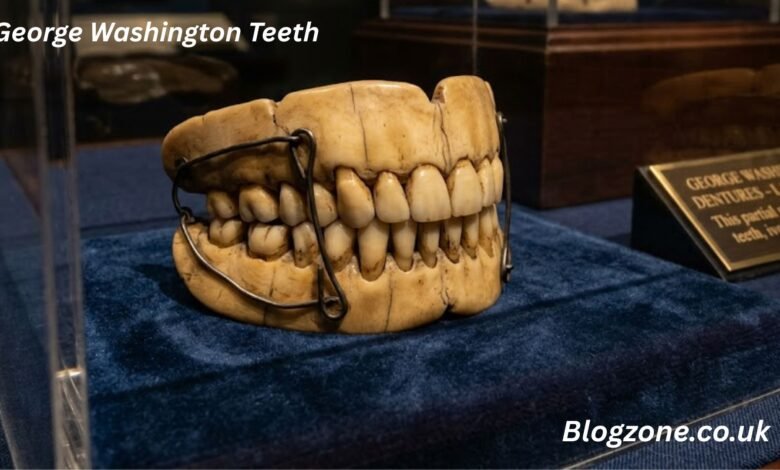
His actual dentures were far more sophisticated than most people imagine. Skilled craftsmen built them using combinations of human teeth, animal teeth, ivory, and metal components. These materials represented the best available dental technology of the late eighteenth century.
Although uncomfortable and difficult to wear, these dentures were considered advanced for their era. The wooden teeth story survives because it is simple and memorable, even though it lacks historical accuracy.
What Were George Washington’s Dentures Really Made Of?
Washington owned several different sets of dentures throughout his life. Each reflected improvements in dental craftsmanship while still falling far short of modern standards.
Materials commonly used included:
- Human teeth purchased from donors.
- Teeth from cows, horses, and donkeys.
- Hippopotamus ivory.
- Elephant ivory.
- Gold springs.
- Brass components.
- Lead fittings.
- Metal wires for stability.
These dentures relied on springs to force the upper and lower sections together. The wearer had to keep their mouth closed to hold everything in place, making speaking and eating extremely difficult.
The ivory gradually absorbed stains from food and drink, creating a dark appearance that later encouraged the wooden teeth legend.
George Washington Donkey Teeth and Other Animal Teeth
One of the lesser-known facts about George Washington teeth is the use of animal teeth in several of his dentures. Historical evidence shows that craftsmen often incorporated teeth taken from cows, horses, or donkeys.
Donkey teeth were valued because of their size and durability. Dental artisans carefully shaped them to resemble human teeth before attaching them to ivory bases with metal hardware.
Animal teeth represented a practical solution during an era when artificial dental materials did not exist. Although they functioned better than carved ivory alone, they were still uncomfortable and prone to wear.
The use of animal teeth may sound unusual today, but it reflected standard dental practices during the eighteenth century.
Who Had Wooden Teeth?
The surprising answer is that virtually no famous historical figure actually wore dentures made entirely from wood. Although the myth is widespread, wooden dentures were never considered practical because wood absorbs moisture, cracks easily, and deteriorates rapidly inside the mouth.
Many early dentures used ivory or carved bone, both of which could resemble wood after years of discoloration. This visual similarity likely contributed to confusion over time.
George Washington remains the individual most commonly associated with wooden teeth, despite overwhelming historical evidence proving otherwise.
How Did Wooden Teeth Stay In?
Since true wooden dentures were not actually used, the question becomes how eighteenth-century dentures remained in place.
Washington’s dentures relied on mechanical springs connecting the upper and lower sections. These springs pushed the dentures apart, requiring the wearer to apply constant pressure by closing the mouth.
Some dentures also used metal hooks or straps for additional support. Adhesives similar to today’s denture creams were unavailable, making the devices difficult to control during eating or speaking.
The constant pressure from these spring-loaded dentures often caused discomfort, jaw fatigue, and changes in facial expression.
George Washington Smiling: Why Portraits Show a Serious Face
Many people notice that George Washington rarely appears smiling in portraits. While artistic traditions of the eighteenth century favored formal expressions, his dental condition likely contributed as well.
Poorly fitting dentures made smiling uncomfortable. Opening his mouth too widely risked shifting the dentures or exposing their artificial appearance. Maintaining a neutral expression was easier and more dignified during lengthy portrait sessions.
His dentures also altered the shape of his face. Artists frequently adjusted his appearance to minimize the swelling and stiffness created by the dental appliances.
The resulting portraits portray a composed leader rather than a cheerful individual, reinforcing the image that has endured for centuries.
How Dental Problems Affected Washington’s Presidency
By the time Washington became president, he reportedly had only one natural tooth remaining. The demands of public office made his dental struggles even more significant.
Delivering speeches, attending official ceremonies, and meeting foreign diplomats required clear communication. Yet his dentures frequently interfered with pronunciation and caused noticeable discomfort.
Some historians believe his speech was occasionally affected by the bulky dental appliances. His facial expressions may also have been influenced by the constant effort required to keep the dentures stable.
Despite these physical challenges, Washington successfully led the young nation through its earliest years, demonstrating remarkable resilience under difficult circumstances.
Abraham Lincoln Wooden Teeth: Another Historical Misunderstanding
Another misconception occasionally appears in discussions of presidential history involving Abraham Lincoln and wooden teeth. Unlike George Washington, Lincoln is not strongly associated with this myth by historians.
Lincoln experienced some dental issues during his lifetime but did not become famous for wearing wooden dentures. The confusion likely arises because the wooden teeth legend became deeply connected with early American presidents in general.
Historical documentation overwhelmingly associates the myth with Washington alone, even though it remains inaccurate in his case as well.
Dentistry During Washington’s Lifetime
Modern dental clinics bear little resemblance to the practices available during the eighteenth century. Dentists worked without electricity, X-rays, antibiotics, or anesthesia as we know them today.
Tooth extraction was often performed using forceps designed more like blacksmith’s tools than surgical instruments. Pain management was minimal, and infections were common.
Creating dentures required skilled craftsmanship. Each appliance was individually carved, assembled, and adjusted by hand using natural materials. Even the finest dentures available could not restore normal chewing or speaking abilities.
Washington had access to the best dental care his wealth could provide, yet even those treatments remained primitive by modern standards.
The Lasting Legacy of George Washington Teeth
The story of George Washington teeth continues to fascinate historians because it combines medical history with one of America’s best-known legends. Although the wooden teeth myth has been thoroughly disproven, it remains deeply embedded in popular culture.
The real story is even more remarkable. Washington endured years of chronic pain, repeated tooth loss, uncomfortable dental appliances, and constant maintenance while leading armies, presiding over constitutional debates, and serving as the nation’s first president.
His experience highlights both the limitations of eighteenth-century medicine and the extraordinary determination required to overcome daily physical hardship.
Today, several of Washington’s original dentures survive in museum collections, allowing historians and scientists to study the remarkable craftsmanship behind these early dental devices. They stand as powerful reminders that even history’s greatest leaders faced personal struggles hidden behind formal portraits and legendary reputations.
Conclusion
The history of George Washington teeth is far more interesting than the familiar wooden teeth legend. Rather than wearing dentures carved from wood, Washington relied on sophisticated appliances made from ivory, animal teeth, human teeth, and precious metals. His lifelong struggle with dental disease shaped his appearance, affected his speech, and influenced the portraits that define his public image.
Understanding these historical facts replaces myth with reality while providing a deeper appreciation for the challenges Washington overcame. His perseverance despite constant dental pain demonstrates remarkable resilience and offers a more authentic portrait of the man who helped establish the United States. The truth behind his famous smile reminds us that history often becomes even more compelling when the legends give way to documented evidence.
Also Read