Best Salmorejo Near Me: Where to Find Authentic Spanish Flavor
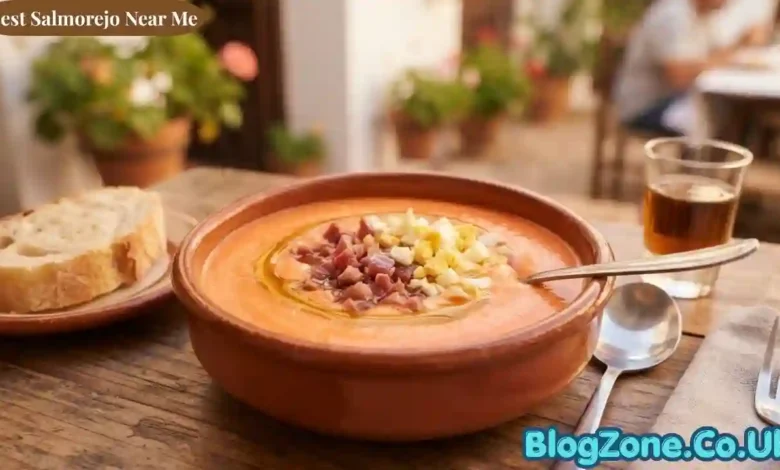
Anyone who has traveled to southern Spain knows the feeling: one spoonful of a perfectly made salmorejo and suddenly every other cold soup feels like a lesser imitation. This creamy, tomato-based delight has slowly made its way onto menus far beyond Andalusia, and more people than ever are typing “best salmorejo near me” into their search bar, hoping to recreate that first unforgettable bite. This article breaks down exactly what salmorejo is, what separates an average bowl from an exceptional one, and how anyone can track down the best salmorejo near them without relying on guesswork.
What Is Salmorejo?
Salmorejo is a chilled soup that originated in Córdoba, a city in the Andalusian region of southern Spain. At its core, the dish is made from just a handful of ingredients: ripe tomatoes, day-old bread, garlic, olive oil, and a touch of vinegar and salt. These are blended together until completely smooth, resulting in a thick, velvety texture far denser than most people expect from a soup.
It is often confused with gazpacho, and while the two share Andalusian roots and a tomato base, they are quite different. Gazpacho is typically thinner, includes vegetables like cucumber and bell pepper, and is served as more of a drinkable soup. Salmorejo, on the other hand, relies on bread for its body, giving it a texture closer to a thick puree or dip than a traditional broth. This distinction matters when searching for the best salmorejo near me, since some restaurants unfortunately serve a thinned-out gazpacho variation and label it as salmorejo, which can be disappointing for those expecting the real thing.
What Makes Salmorejo “The Best”?
Not all salmorejo is created equal, and a few key factors separate a forgettable version from one worth remembering.
Texture is usually the first giveaway. Authentic salmorejo should be thick enough to coat the back of a spoon, never watery or runny. If it pours like a juice, something has gone wrong in the preparation, whether that is too little bread or too much liquid.
The quality of the tomatoes plays an enormous role as well. Ripe, in-season tomatoes bring natural sweetness and acidity that canned or out-of-season tomatoes simply cannot replicate. The same goes for olive oil; a high-quality extra virgin olive oil rounds out the flavor and adds a silky finish that cheaper oils cannot match.
Traditional garnishes also matter. Classic salmorejo is topped with chopped hard-boiled egg and small pieces of jamón serrano or jamón ibérico. These toppings are not just decorative touches; they add texture and saltiness that balance the richness of the soup. A restaurant that skips these garnishes may be cutting corners, or simply catering to a different audience.
Finally, authenticity of preparation counts. Traditional Cordoban technique matters, and chefs who understand the origins of the dish tend to treat it with more care than kitchens that view it as just another item on a “Spanish tapas” menu.
How to Find the Best Salmorejo Near You
Tracking down the best salmorejo near me does not have to be a matter of luck. A few smart strategies can make the search much easier.
Google Maps and review platforms like Yelp or TripAdvisor are a great starting point. Rather than just scanning star ratings, it helps to search within reviews for the word “salmorejo” specifically. This surfaces comments from people who have actually ordered the dish, rather than general reviews about the restaurant as a whole.
When reading those reviews, pay attention to specific language. Comments that mention texture, freshness, or “just like in Spain” are strong indicators of an authentic version. Vague praise without detail is less reliable.
It also helps to start the search with restaurants that specialize in Spanish or tapas cuisine, rather than restaurants that broadly label themselves “Mediterranean.” A dedicated Spanish kitchen is far more likely to treat salmorejo as a signature dish rather than an afterthought.
Types of Places That Serve Great Salmorejo
Several types of establishments tend to offer standout versions of this dish.
Traditional Spanish and tapas restaurants are the most obvious choice, since salmorejo is often a staple starter on their menus. Restaurants that specialize specifically in Andalusian cuisine tend to go even further, sometimes offering regional variations or seasonal twists.
Food markets and gourmet delis, particularly those that import Spanish products, occasionally sell fresh, pre-made salmorejo by the container, which can be a convenient option for those who want restaurant-quality flavor at home. Spanish bakeries and cafés that rotate seasonal menu items are also worth checking, especially during the warmer months when tomatoes are at their peak.
Questions to Ask Before Ordering
A few quick questions can help set expectations before ordering.
Asking whether the salmorejo is made fresh daily is one of the most telling questions. Fresh preparation almost always results in better flavor and texture compared to a batch made days in advance.
It is also worth asking what garnishes come standard with the dish, since some restaurants may charge extra for egg or jamón, or may omit them entirely unless requested.
For those with dietary considerations, it helps to know that traditional salmorejo is vegetarian, though it does contain gluten due to the bread used in its base. Some modern variations use gluten-free bread alternatives, so it is worth asking if that is a concern.
Salmorejo vs. Homemade: When to Make It Yourself
Salmorejo is refreshingly simple to prepare at home, requiring little more than a blender, ripe tomatoes, bread, garlic, and good olive oil. For many, this simplicity is part of the appeal, and homemade versions can be excellent when made with quality ingredients.
That said, dining out still has its advantages. Restaurants often source specialty ingredients like authentic jamón ibérico that may be harder to find at a regular grocery store. There is also the experience itself, enjoying the dish in a proper Spanish or tapas setting adds an atmosphere that is difficult to recreate in a home kitchen. For those searching for the best salmorejo near me on a night out, the restaurant experience often becomes just as memorable as the dish itself.
Best Time and Season to Enjoy Salmorejo
Since salmorejo depends so heavily on the quality of its tomatoes, it is very much a seasonal dish. Summer, when tomatoes are ripest and most flavorful, is widely considered the best time to enjoy it. Restaurants that prioritize seasonal ingredients often feature salmorejo prominently on their summer menus, sometimes highlighting rotating variations that showcase whatever produce is in peak condition.
That said, many kitchens specializing in Spanish cuisine serve it year-round, often sourcing high-quality tomatoes to maintain consistency regardless of the season. Those searching for the best salmorejo near me during the colder months should not assume it is unavailable; it may simply require a bit more research to find a restaurant committed to quality ingredients, no matter the time of year.
Regional Variations Worth Knowing About
While Córdoba is considered the birthplace of salmorejo, nearby regions have put their own spin on the dish over the years. Some kitchens add a touch of sherry vinegar instead of regular vinegar for a sharper, more complex tang. Others experiment with toppings beyond the classic egg and jamón, incorporating things like toasted almonds, a drizzle of balsamic reduction, or even small cubes of manchego cheese. None of these variations are wrong, but they do shift the dish away from its most traditional form.
For anyone who wants the most authentic experience, it is worth asking staff whether the recipe follows the classic Cordoban method or a modern reinterpretation. Both can be delicious, but knowing the difference helps set the right expectations, especially for those who have tried the original in Spain and are comparing it to what is available locally.
Pairing Salmorejo With the Right Drinks and Sides
A well-made bowl of salmorejo pairs beautifully with a crisp, dry white wine or a light Spanish beer, both of which help balance the richness of the olive oil and bread. Fino sherry, a dry and slightly nutty wine from the same region, is another traditional pairing that many Spanish restaurants offer specifically for this reason.
As for sides, salmorejo is often served as a starter rather than a main course, so it works well alongside other tapas like patatas bravas, croquetas, or grilled octopus. Restaurants that understand the dish tend to build a small tapas spread around it rather than treating it as a standalone item, which can make for a more well-rounded and satisfying meal overall.
Conclusion
Great salmorejo comes down to a few consistent markers: a thick, creamy texture, ripe and flavorful tomatoes, quality olive oil, and traditional garnishes like egg and jamón. Whether the goal is a quick lunch or a proper night out, taking a few extra minutes to read detailed reviews and ask the right questions before ordering can make all the difference. With a bit of research, finding the best salmorejo near me becomes less about luck and more about knowing exactly what to look for
Also Read: mcdfoofforthoughts.com What It Is and How to Use McDonald’s Real Feedback Survey
